 Referring Provider Portal
 Call VisionAmerica
 Call SouthEast Eye Specialists

Comprehensive Children’s Vision Services
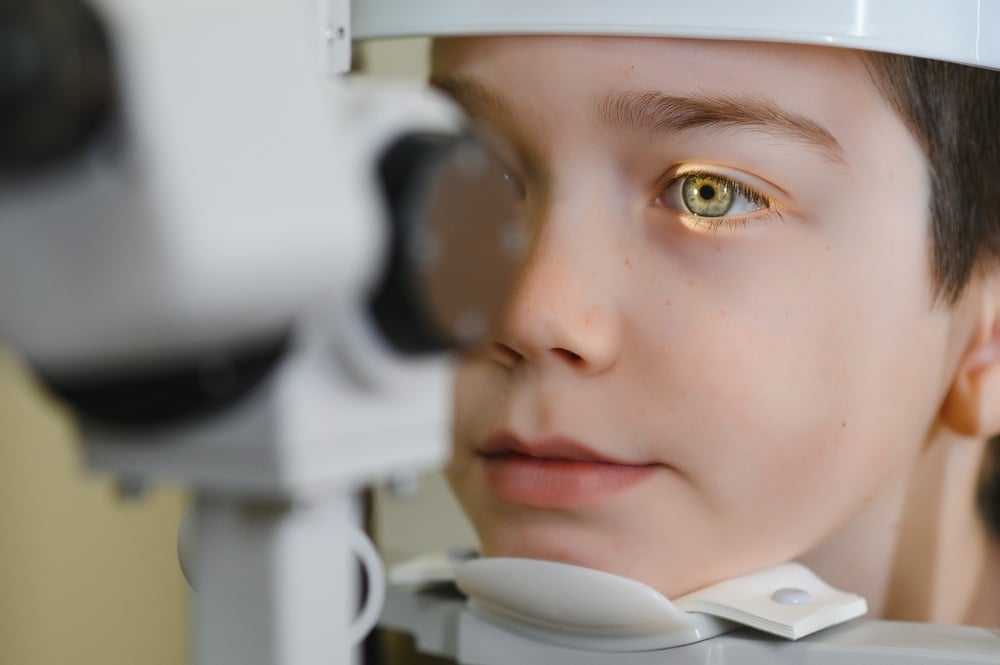
Good vision is essential for a child’s development, learning, and confidence. At SEES Group, our pediatric eye care specialists provide expert evaluation, diagnosis, and treatment for a wide range of vision and eye health concerns in infants, children, and adolescents.
We combine advanced diagnostic technology with a gentle, child-friendly approach to help every child reach their visual potential. We also work closely with referring optometrists, pediatricians, and parents to ensure coordinated care.
Why Early Pediatric Eye Care Matters
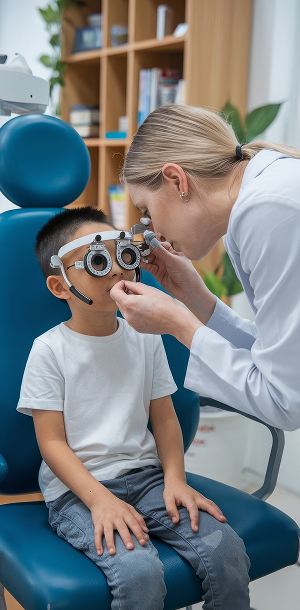
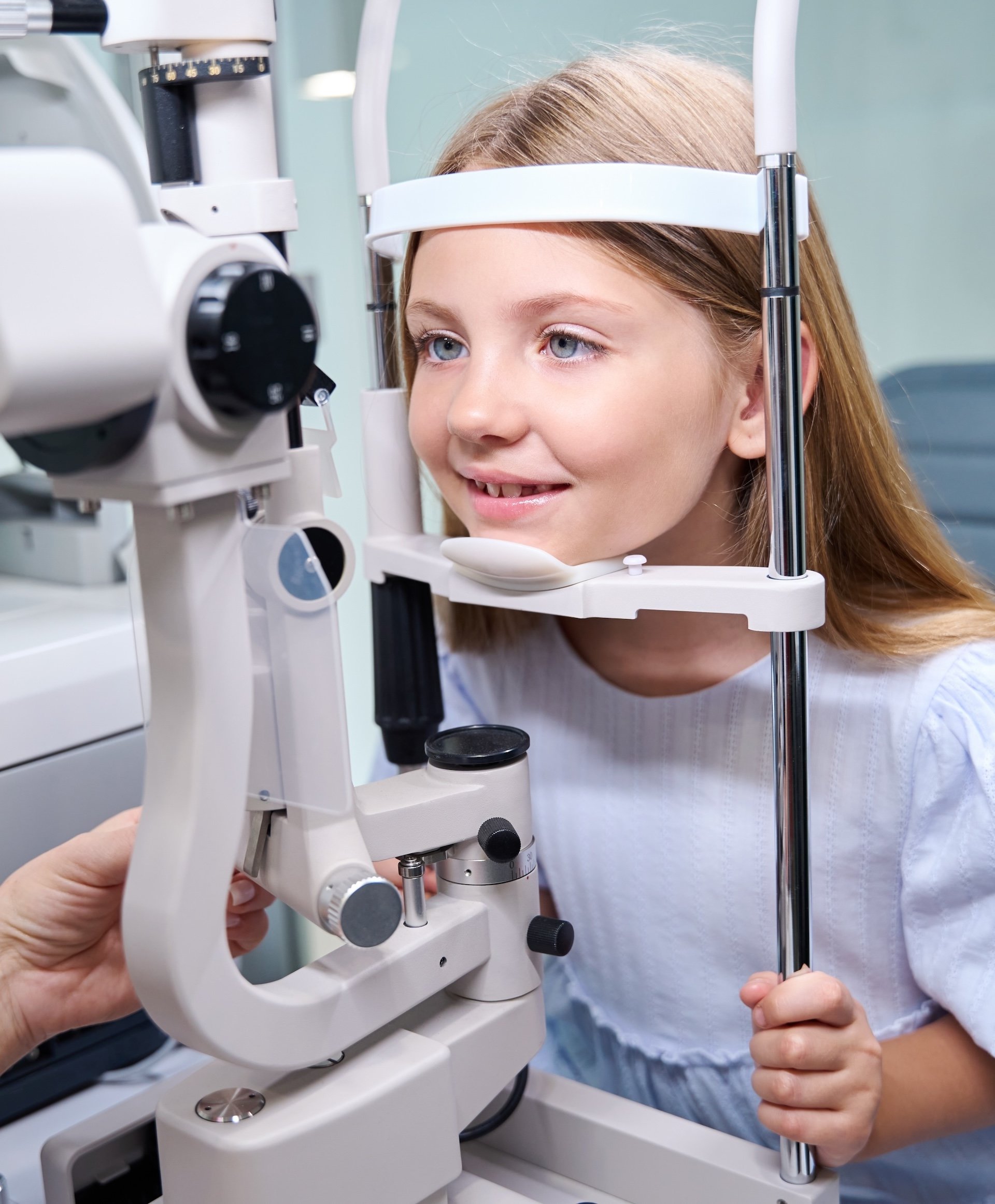
A child’s visual system develops rapidly in the first decade of life. Early detection and treatment of vision issues are critical because untreated problems like amblyopia (lazy eye) or strabismus (eye turn) can become permanent if missed.
Routine eye exams help identify concerns early, supporting better academic performance, eye tracking, hand-eye coordination, and overall development.
Facing the Facts
- An estimated 4% of the U.S. population has Strabismus.
- If undiagnosed and untreated in children, these disorders often lead to permanently diminished vision in one eye that is not treatable with glasses.
- Strabismus can also lead to a lack of depth perception and delays in motor skills and development.
- Strabismus also affects adults. It often persists after childhood strabismus and new cases develop as a result of injury, trauma, stroke, and other systemic or neurologic illnesses. Adult strabismus can cause a wide array of significant social difficulties. Studies show problems ranging from self-esteem to lack of employment.
- Adult strabismus also causes double vision and difficulties with daily activities.
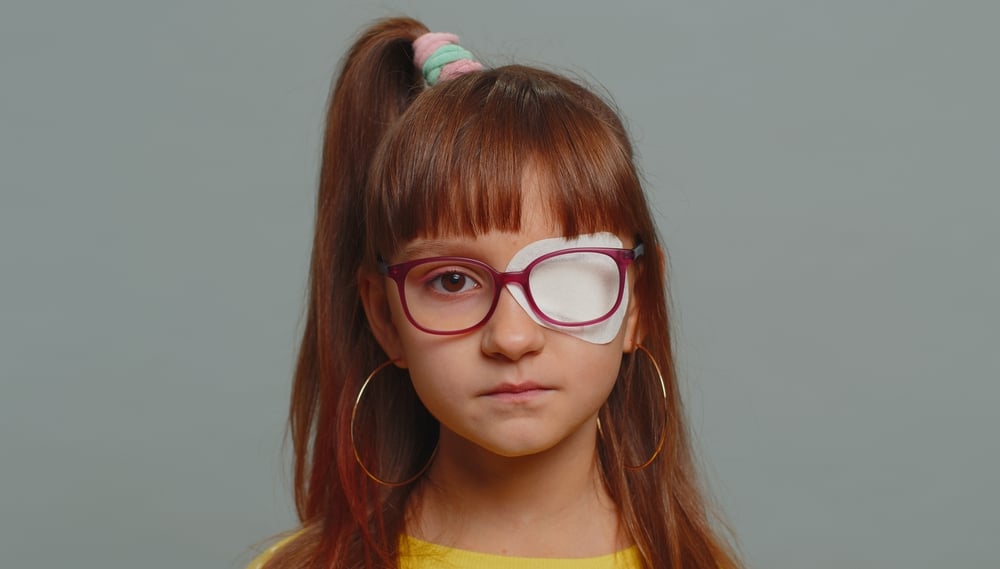
Amblyopia
- Amblyopia is a condition of reduced vision in one eye that most often develops before the age of 6.
- It can be caused by a variety of underlying abnormalities including strabismus, undiagnosed need for glasses, eye lid abnormalities, cataracts, corneal abnormalities, and retinal abnormalities.
- The condition can worsen and lead to permanent vision loss in the amblyopia-affected eye.
- Vision loss happens due to the child’s brain failing to develop the neurologic pathways required for vision
- Treatment options include glasses, patching, Atropine drops, and surgery.
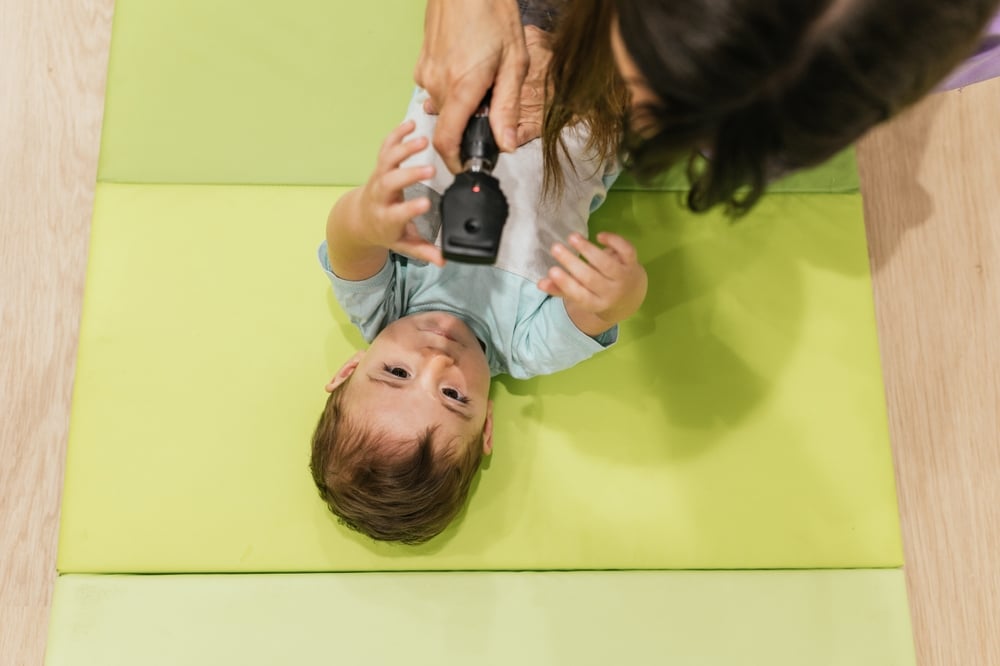
Blocked Tear Ducts
- This is common for newborns.
- Most newborns have resolution of the blockage within the first 3 months of life.
- When the blockage does not resolve, surgical intervention is sometimes needed to restore proper drainage of the tears.
- Blockage of the tear drainage leads to stagnation of the lacrimal sac causing mucous discharge that is very irritating.
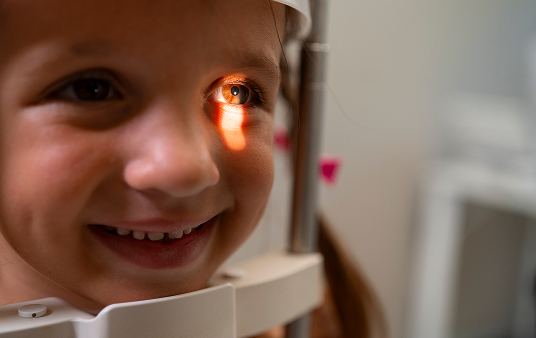
Cataracts
- Cataracts are a common ailment during the geriatric years, but children and babies also suffer from cataracts though this is much less common.
- When babies are born with cataracts they are referred to as Congenital Cataracts.
- It is estimated that 0.4% of newborns suffer from congenital cataracts.
- Early treatment is essential to obtaining the best outcome possible.
- Surgery is required for some cataracts in order to rehabilitate the visual abilities.
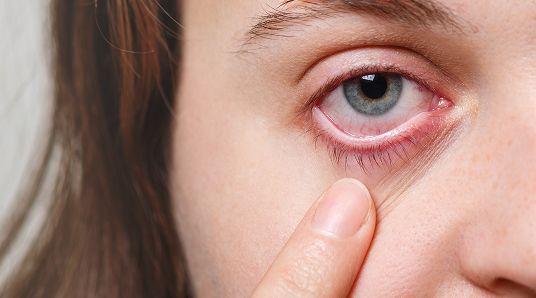
Conjunctivitis (Pink Eye)
- The white parts of the eyes and the area around them may appear red due to inflammation.
- This can be caused by bacterial or viral infections, allergies, systemic inflammation, or blocked tear ducts.
- Pink eye may require special treatment.
Glaucoma
- Glaucoma is common for adults, but children and babies also suffer from this vision-threatening ailment.
- Glaucoma can be something babies are born with, but also can be caused by injuries or untreated eye disorders.
- Glaucoma may not have symptoms visible to the parents.
- It will sometimes cause cloudy appearance of the cornea (the normally clear outer part of the eye).
- The affected eye might become larger than the other, and the child might experience light sensitivity, increased tearing, and excessive blinking.
- Treatment options include medications or glaucoma surgery.
Pediatric Doctors



Our Services

Cataracts
Cornea
Glaucoma
Neurological Eye Conditions
Oculoplastics
Pediatrics
Retina
Get in Touch
We're here to answer your questions and support your referral needs.


Multiple locations across the Southeast
Get in Touch
We're here to answer your questions and support your referral needs.
 Schedule a Call