understanding-cornea

Understanding Cornea Disease

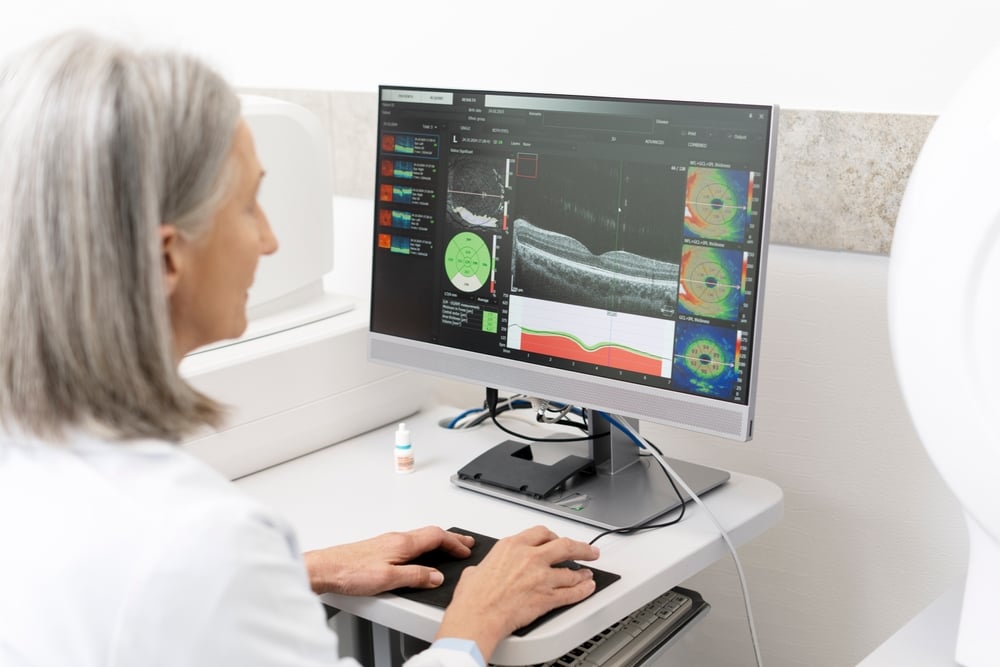
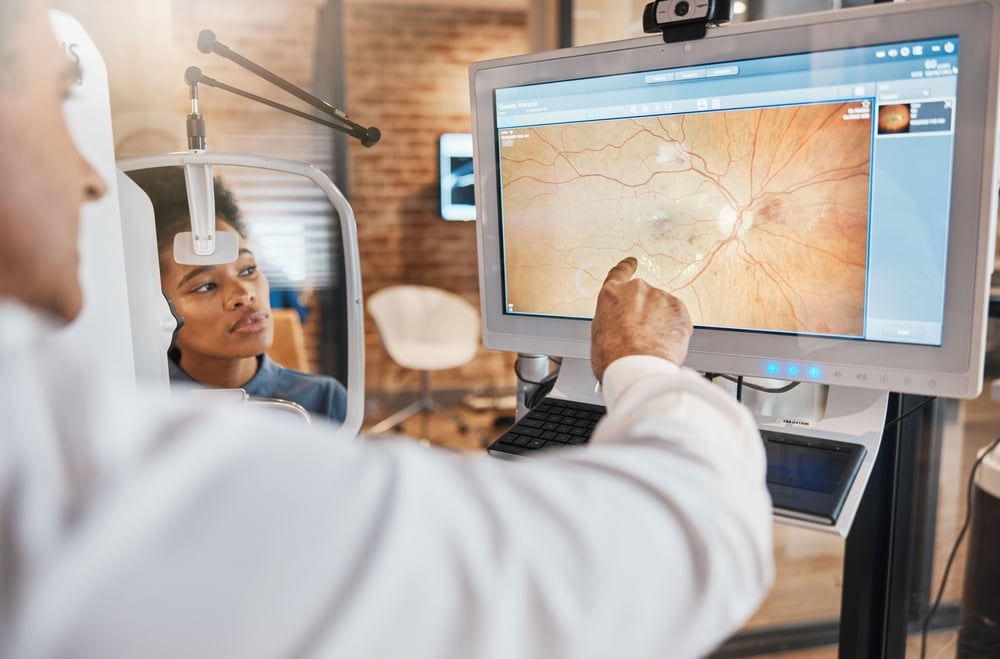
The cornea is the transparent, dome-shaped part of the eye and plays a significant role in the focus and clarity of vision. Irregularities in the shape or certain diseases can negatively impact the cornea and subsequent vision and lead to:

  • Nearsightedness
  • Farsightedness
  • Astigmatism

LASIK and PRK can be used to correct this problem by adjusting the shape of the cornea. 

Two of the most common cornea conditions are dry eye syndrome and keratoconus. Our cornea specialists can assess your individual concerns and recommend a treatment plan that is best crafted for your needs.

understanding-cornea
diagnosing-img diagnosing-img2

Dry Eye Syndrome

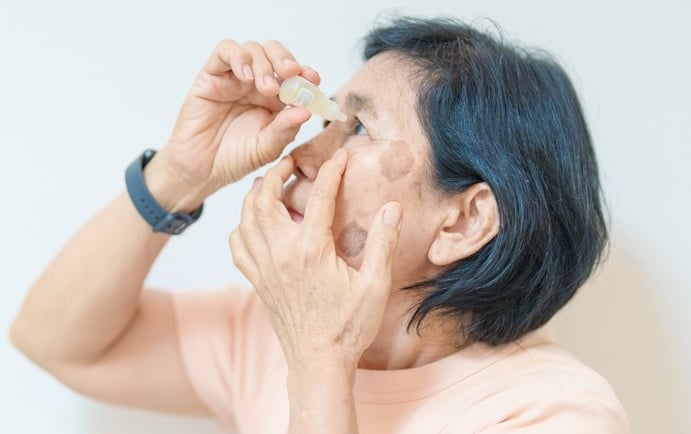
When your eyes produce insufficient amounts of natural tears or when your tears can’t correctly lubricate the surface of your eye, dryness occurs. This can cause an uncomfortable, scratchy sensation and may even affect visual acuity.

Dry eye is more common than you may think — it affects 16 million Americans every year. There are several things you can do to keep your eyes healthy.

diagnosing-img diagnosing-img2
Symptoms
  • Feeling like there is something in your eye
  • Stinging or burning feelings in your eye
  • Red eyes
  • Light sensitivity
  • Blurred vision
Risk Factors
  • Are age 50 or older
  • Are female
  • Wear contact lenses
  • Lacking vitamin A or omega-3 fatty acids
  • Have certain autoimmune conditions, like lupus or Sjögren syndrome
Treatment

Treatment for dry eye is dependent on the reason for your symptoms. There are a few different types of treatment that can ease your symptoms and help keep your eyes healthy.

  • Artificial Tears (most common treatment for mild dry eye)
  • Moisturizing gels and ointments
Prescription Medicines
If your dry eye is more serious, your eye doctor may give you a prescription for medicines that can help your eyes make more tears.
Tear Duct Plugs
If tears are draining too quickly from your eyes, your doctor may suggest putting special plugs in your tear ducts to help keep tears in your eyes.
keratoconus-defined

Keratoconus Defined

Keratoconus occurs when the cornea is progressively thinning, initiating the development of a cone-like bulge and optical irregularity.

Symptoms to Keep an Eye On

Keratoconus generally makes its first appearance in individuals who are in their late teens or early twenties.  It may advance for years, and then slow or stabilize. Each eye may be affected at different levels of severity.

In the early stages of keratoconus, people might experience:

  • Slight blurring of vision
  • Distortion of vision
  • Increased sensitivity to light

Due to being responsible for focusing most of the light that comes into the eye, keratoconus can have a significant impact on a person’s daily life.

keratoconus-defined

Crosslinking: Overview

Corneal Cross-Linking- A standard solution for Keratoconus with outstanding results

Cross-linking is a minimally invasive outpatient procedure that blends the use of UVA light and riboflavin eye drops to boost stiffness in corneas that have been damaged. Cross-linking is considered one of the treatment options for keratoconus and corneal ectasia.

Riboflavin

Riboflavin (vitamin B2) is important for both cell growth and production. Under the conditions used for corneal collagen cross-linking, riboflavin 5’- phosphate functions as a photo enhancer which enables the cross-linking reaction to occur.

Ultra-Violet A (UVA)

UVA is the weakest of the three types of invisible light rays given off by the sun. A UV light source is applied to the cornea after it has been soaked in the photo-enhancing riboflavin solution. By increasing the number of molecular bonds, or cross-links, in the collagen, the cornea is strengthened.

Do you qualify for treatment?

Patients over 14 years old who have been diagnosed with progressive keratoconus or corneal ectasia should ask their doctor about corneal cross-linking.

Discover the highest level of care

We offer the first and only therapeutic products for corneal cross-linking which have been FDA approved to treat progressive keratoconus. This approval provides an effective treatment for patients who, until recently, had no therapeutic options to limit the progression of this sight-threatening disease.

Our Services

services-image

Cataracts

Cataracts occur when there is a clouding of your eye’s natural lens. Most people correlate cataracts with aging, but they are sometimes proven to be derived from other factors.
cornea

Cornea

The cornea is the transparent, dome-shaped part of the eye and plays a significant role in the focus and clarity of vision.
glaucoma

Glaucoma

The optic nerve carries information from the eye to the brain, so when the optic nerve is impaired, you can lose your vision. The term Glaucoma encompasses a group of eye diseases that damage the optic nerve.
neurological-conditions

Neurological Eye Conditions

Our providers diagnose and treat conditions related to the nervous system of the eye.
oculoplastics

Oculoplastics

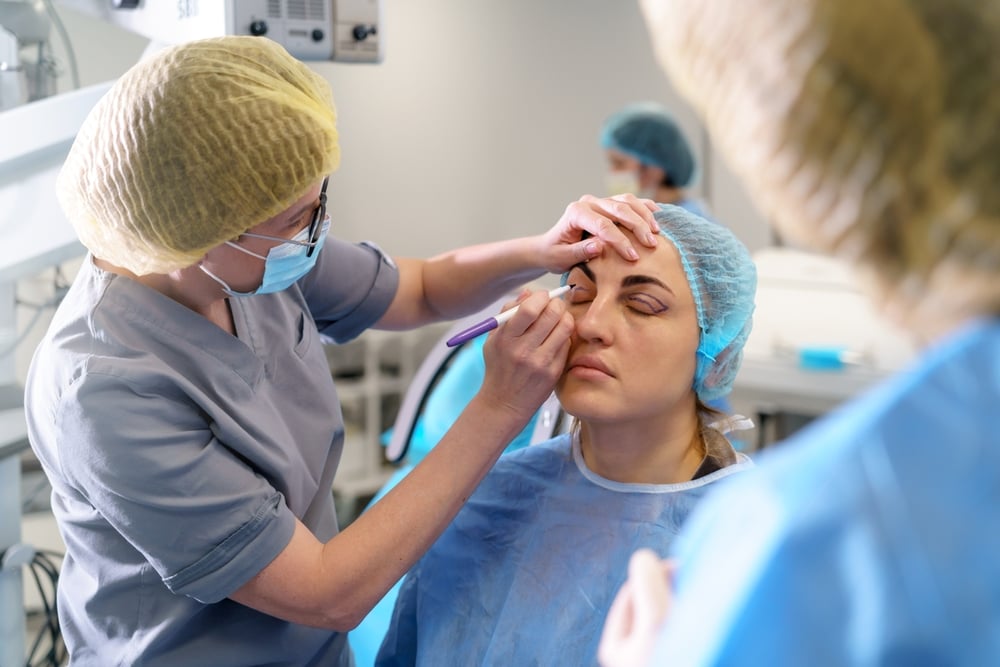
Oculoplastics refers to surgical procedures designed to improve the function and appearance of the eyelids, skin and muscle tissue surrounding the eye, forehead, and face. 
services-image

Pediatrics

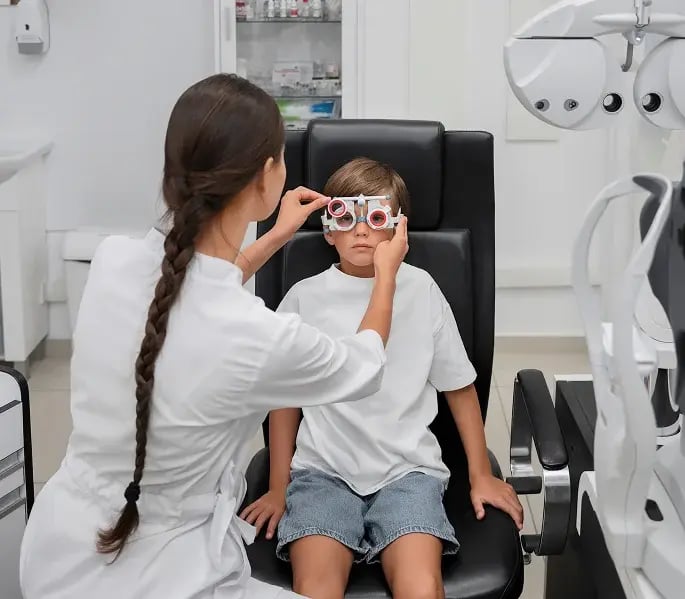
A child’s first 10 years of life are the most crucial for the development of their visual system. Due to the rapid vision development taking place during childhood, it is very important to detect and treat any vision problems as early as possible.
retina

Retina

The retina is the multi-layered tissue lining the back of the eye. This part of the eye captures light rays and converts them into images.

Get in Touch

We're here to answer your questions and support your referral needs.

Contact Information

tel-2
Phone

1-250-467-6304

Monday - Friday: 8:00 AM - 6:00 PM

Saturday: 9:00 AM - 2:00 PM

email-2
Email

info@seesgroup.com

We respond within 24 hours

pin-2
Locations

Multiple locations across the Southeast

Physician Liaison Team

Our dedicated liaison team is available to support your referrals and answer any questions.

Get in Touch

We're here to answer your questions and support your referral needs.

tel-2
Phone

1-250-467-6304

Monday - Friday: 8:00 AM - 6:00 PM

Saturday: 9:00 AM - 2:00 PM

email-2
Email

info@seesgroup.com

We respond within 24 hours

pin-2
Locations

Multiple locations across the Southeast