 Referring Provider Portal
 Call VisionAmerica
 Call SouthEast Eye Specialists
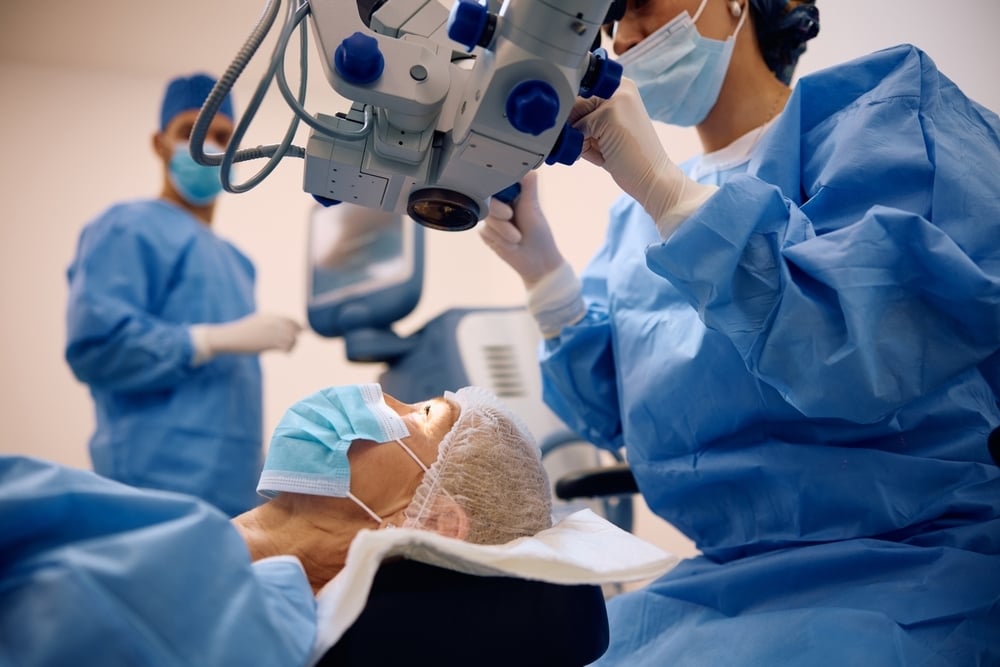
Cataract Diagnosis and Advanced Cataract Surgery
- Blurry vision
- Difficulty with glare
- Dulled colors
- Poor night vision
- Increased nearsightedness (myopia)
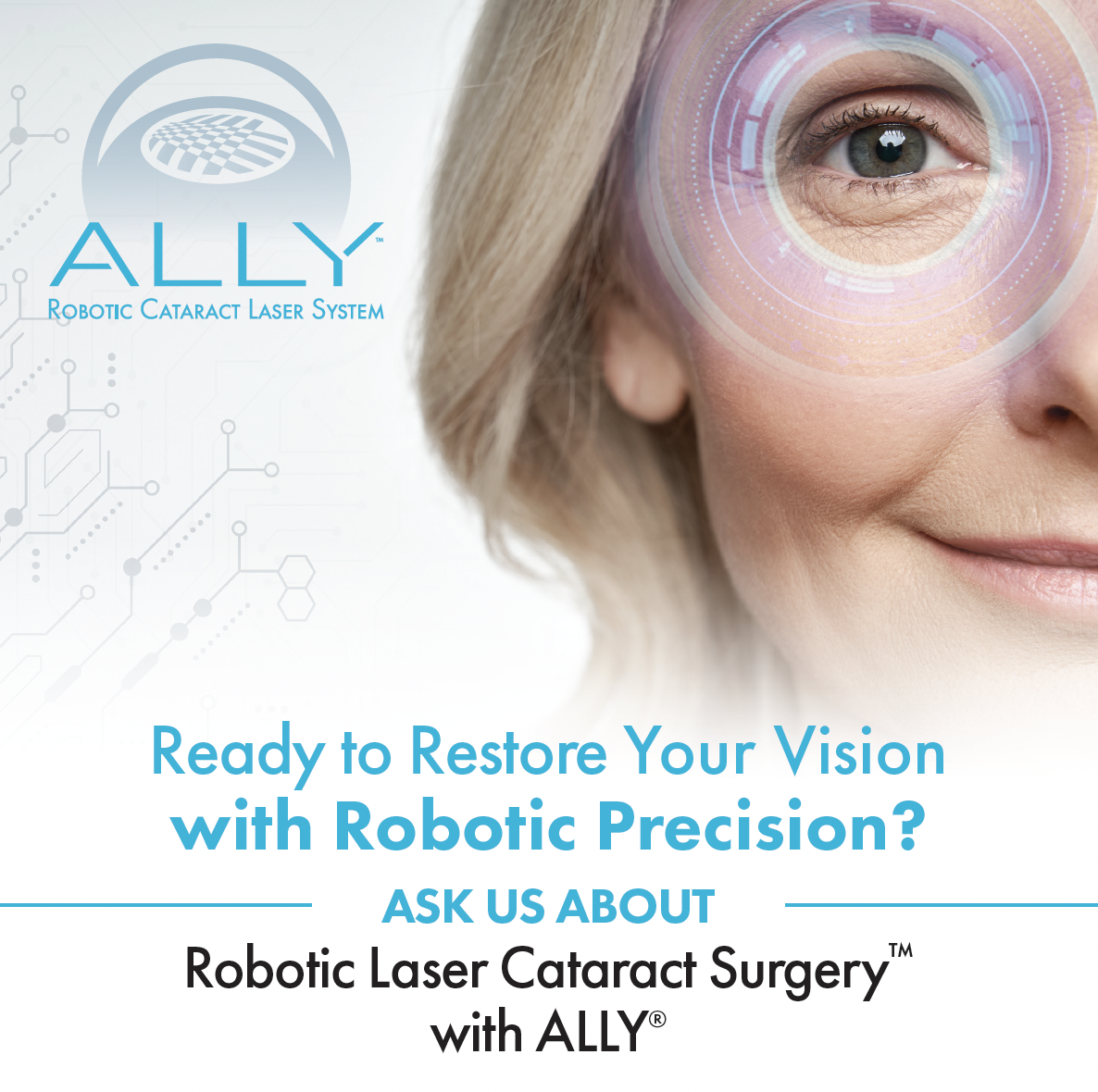
ALLY® Laser Cataract Surgery in Chattanooga, TN
Next-Generation Vision Correction at SouthEast Eye Specialists
At SouthEast Eye Specialists in Chattanooga, we are proud to offer the ALLY® Adaptive Cataract Treatment System by LENSAR—one of the most advanced technologies available for cataract surgery today.
This revolutionary system combines AI-driven imaging, precision laser technology, and streamlined surgical workflow to deliver a safer, faster, and more customized vision correction experience.
- Next-Generation Adaptive Technology
- AI-Driven Precision
- Faster, More Efficient Surgery
- Improved Safety & Comfort
Light Adjustable Lens™ (LAL®) from RxSight
Next-Generation Vision Correction - Light Adjustable Lens™ (LAL®)
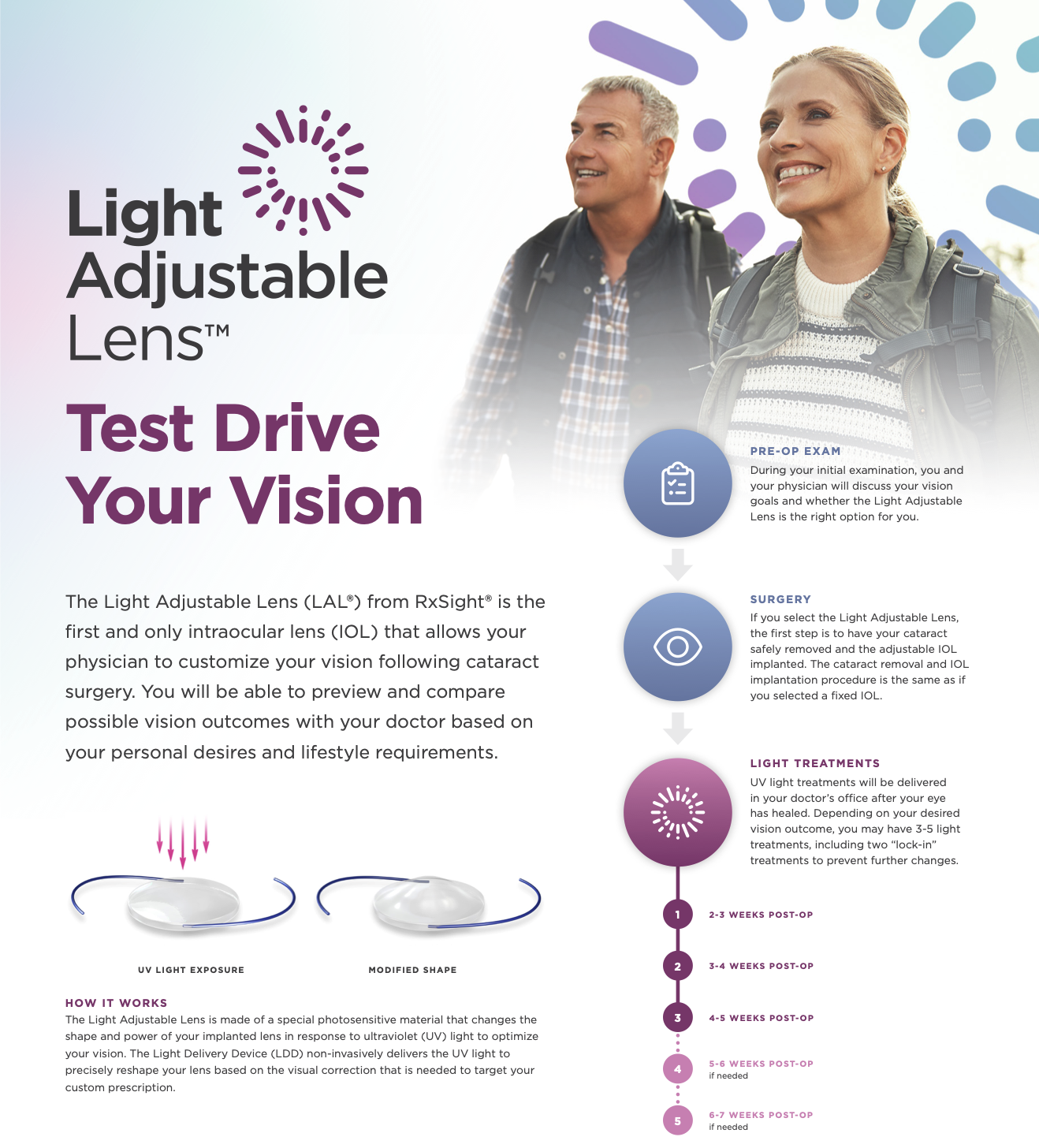
We are proud to offer Light Adjustable Lens™ (LAL®) from RxSight, which is the first and only intraocular lens that allows surgeons to adjust lens power after cataract surgery, enabling unmatched refractive precision and patient-specific outcomes.
Unlike traditional IOLs that rely on preoperative predictions, the LAL shifts critical decision-making to the postoperative period, when refractive outcomes can be measured and refined.
This revolutionary system combines AI-driven imaging, precision laser technology, and a robotic-assisted, streamlined surgical workflow to deliver a safer, faster, and more customized vision correction experience.
- Standard cataract surgery with LAL implantation
- Healing period allows refractive stabilization
- In-office UV light treatments adjust lens power
- Final “lock-in” treatment sets the prescription permanently
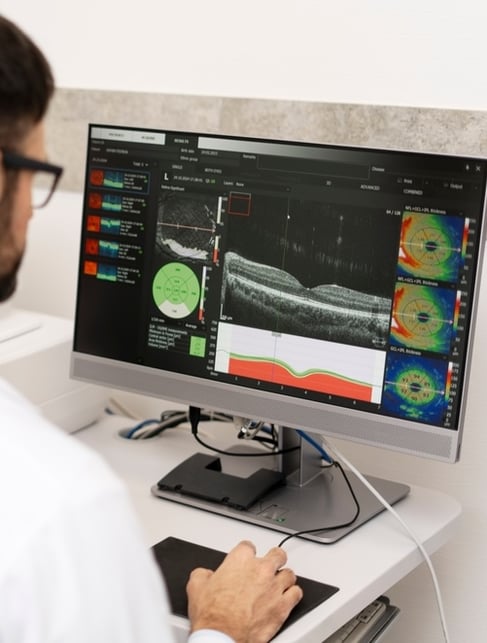
Comprehensive Cataract Eye Care
Our experienced ophthalmologists and cataract specialists provide personalized care for patients with early vision changes and those who need surgical treatment. During a comprehensive eye exam, we use advanced diagnostic tools to evaluate the severity of your cataract and how it affects your vision.
What to Expect:
- Comprehensive Eye Evaluation: Detect cataracts early with detailed lens and vision testing.
- Personalized Treatment Planning: Discuss your lens options and surgical goals.
- Safe, Efficient Surgery: Performed using minimally invasive techniques for faster recovery.
- Post-Op Vision Support: Follow-up care to help you achieve your best possible vision.
Why Choose SEES Group for Cataract Surgery?

Advanced Cataract Surgery Technology

Transparent Cataract Surgery Pricing

Experienced Cataract Specialists
Advanced Cataract Surgery Options
When cataracts begin to interfere with daily activities, cataract surgery is the most effective treatment. Our surgeons perform precision cataract surgery to remove the cloudy lens and replace it with a clear intraocular lens (IOL) tailored to your visual needs.
Intraocular Lens (IOL) Choices
We offer a range of FDA-approved intraocular lenses, including:
- Monofocal IOLs for clear distance vision
- Astigmatism-correcting IOLs (Toric lenses)
- Presbyopia-correcting and premium IOLs to reduce dependence on glasses after surgery
Your surgeon will guide you in choosing the best IOL based on your lifestyle, eye health, and vision goals.
Why Choose Our Cataract Services
- Board-Certified Cataract Specialists with extensive experience in modern cataract surgery
- State-of-the-Art Technology for precise diagnostics and improved surgical outcomes
- Patient-Centered Approach focused on customized treatment plans
- Convenient Locations in Tennessee, Georgia, and Alabama to make expert eye care accessible close to home

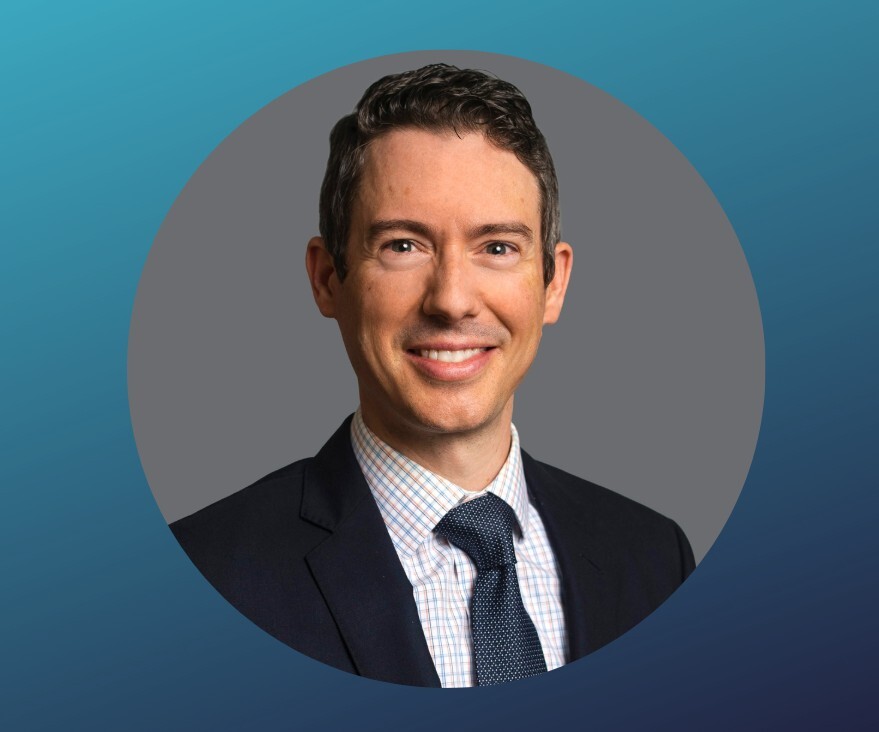
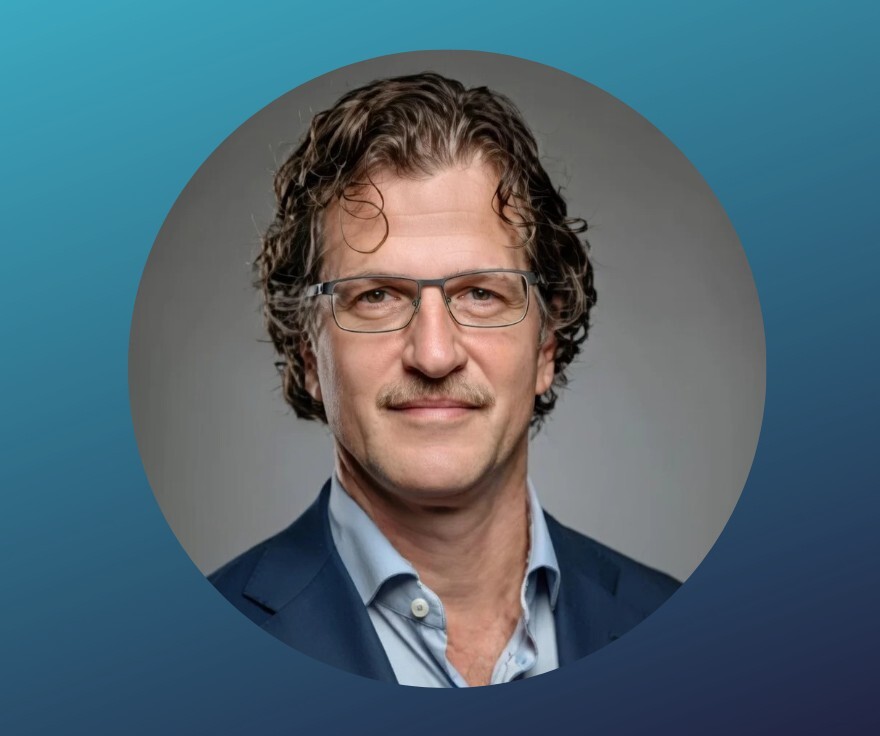
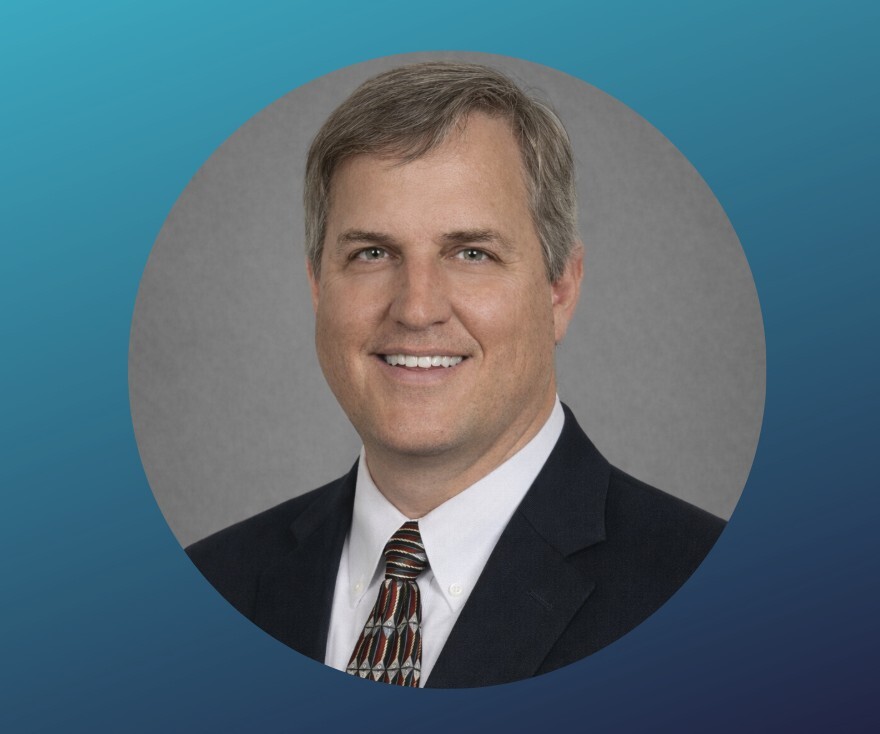
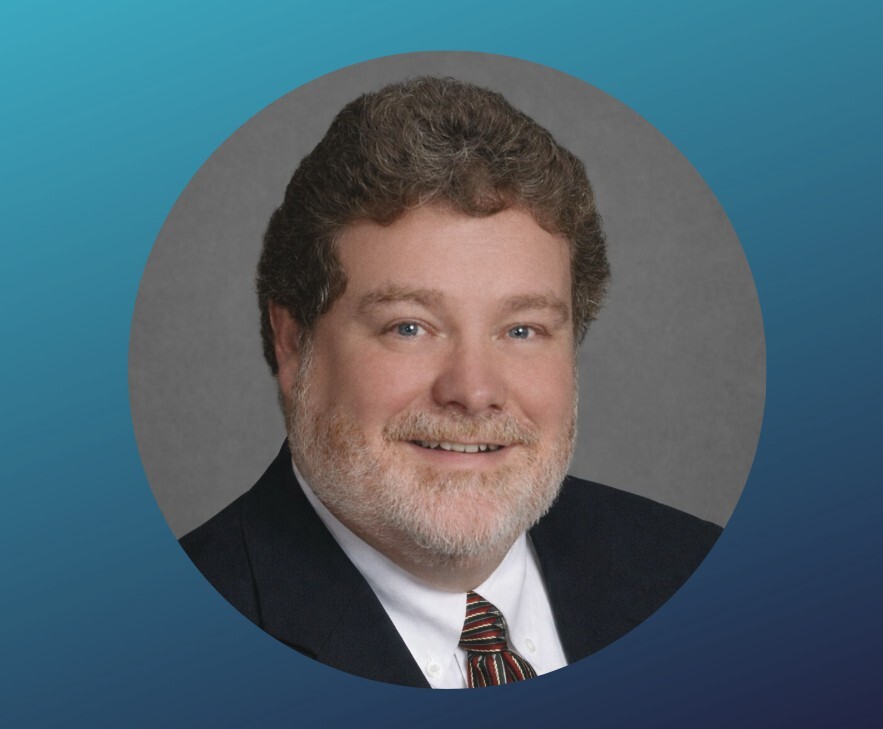
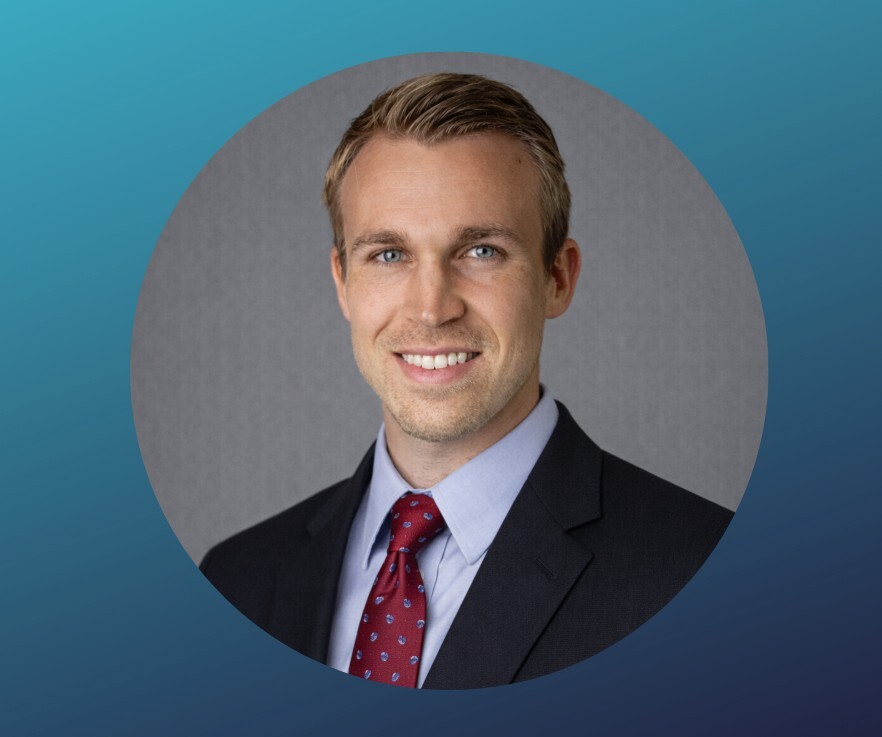
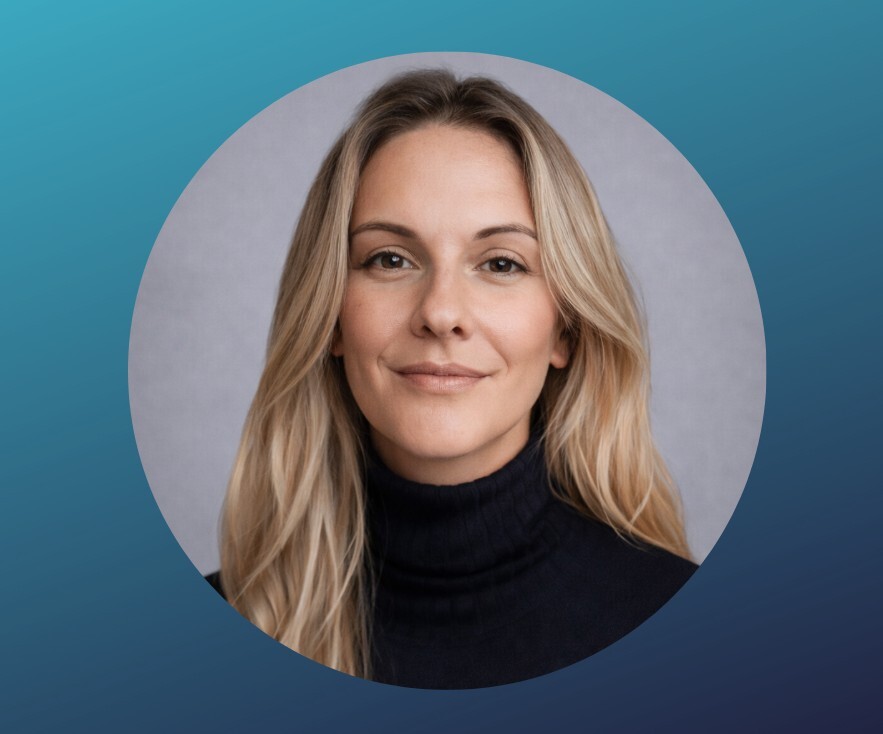
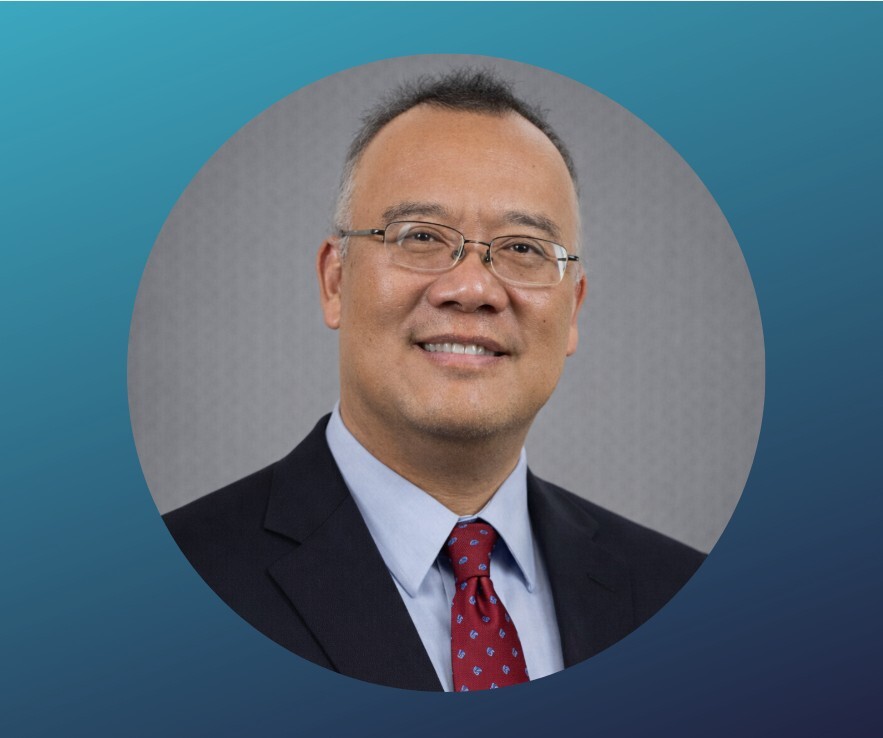
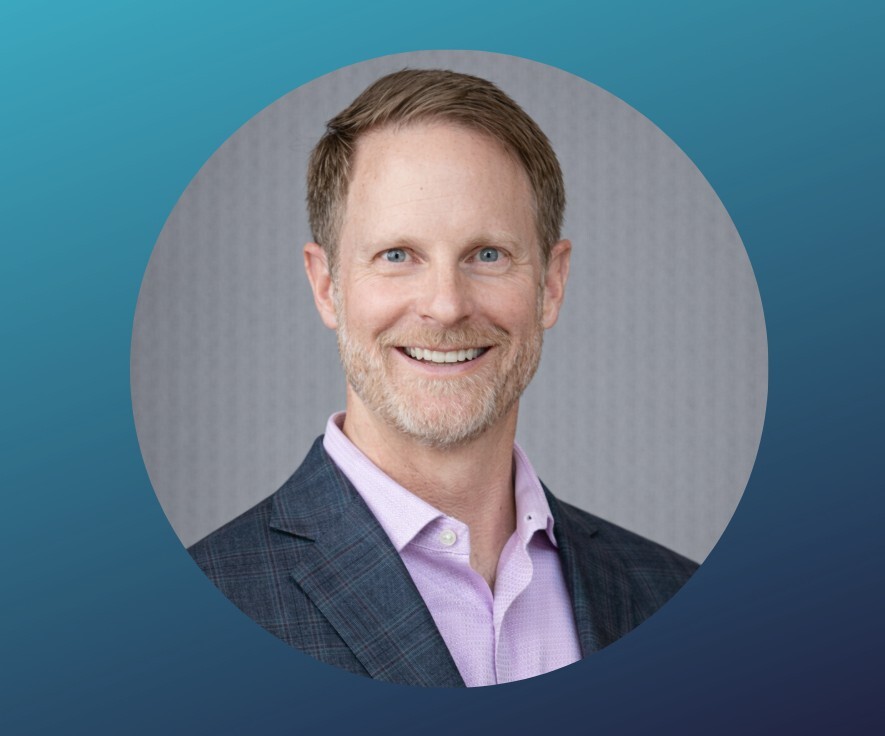
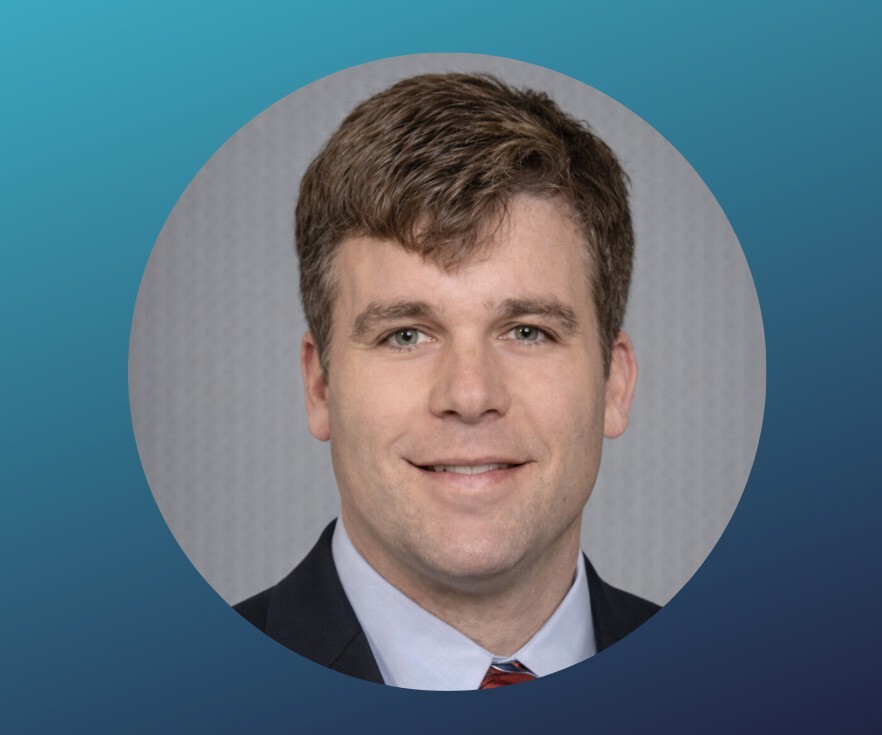
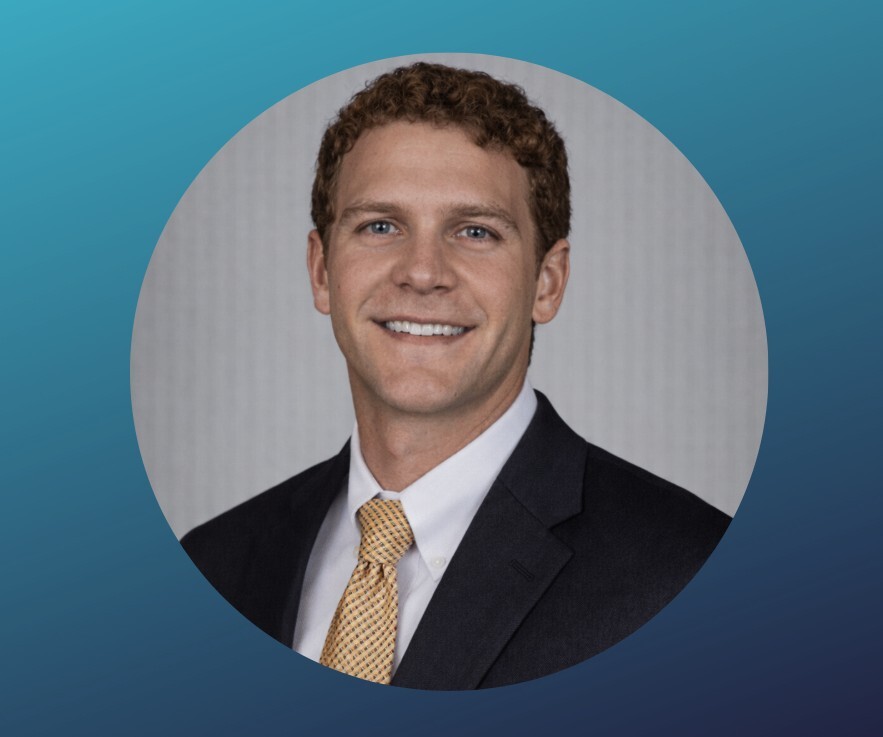
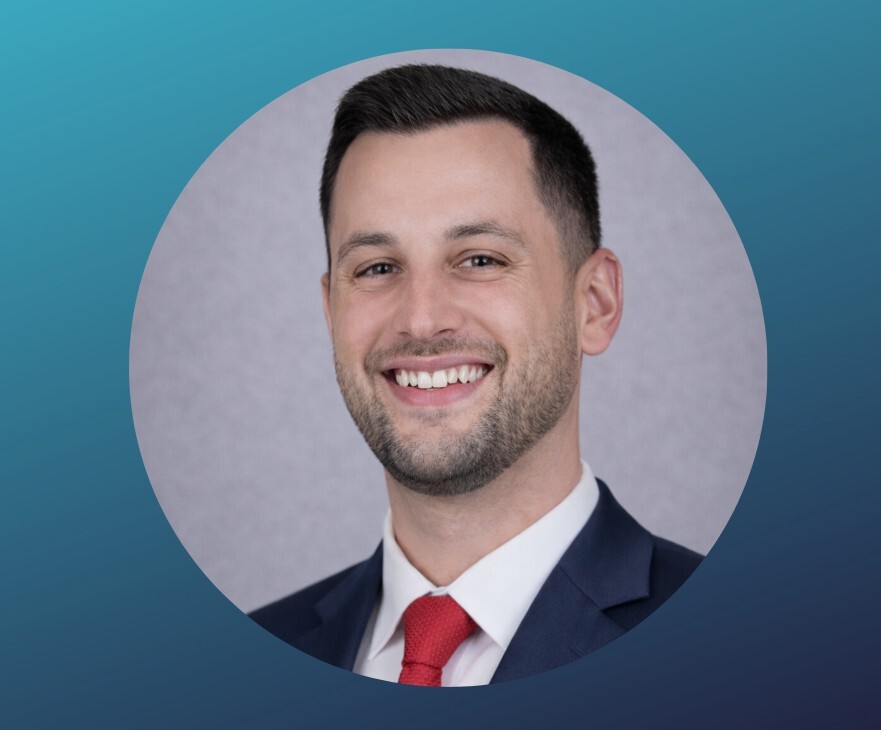
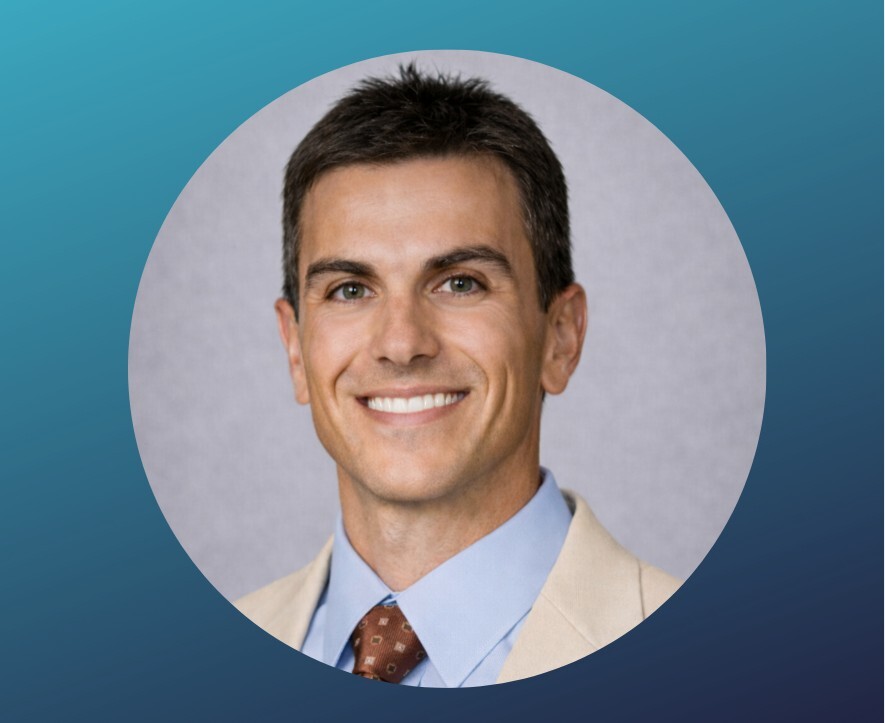
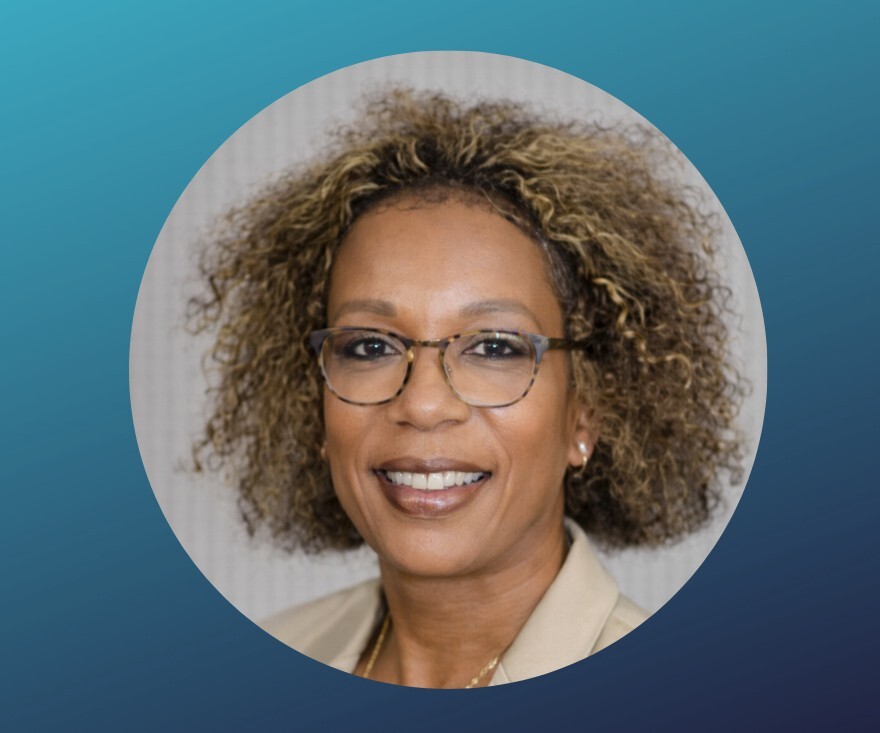
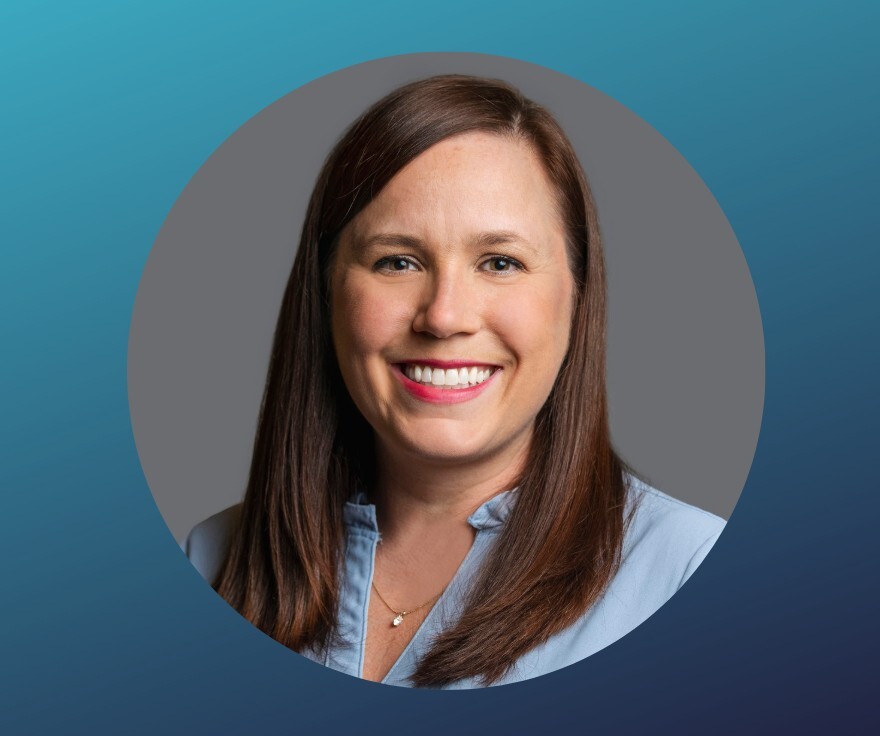
Cataract Surgeon Team

Our Services

Cataracts
Cornea

Glaucoma
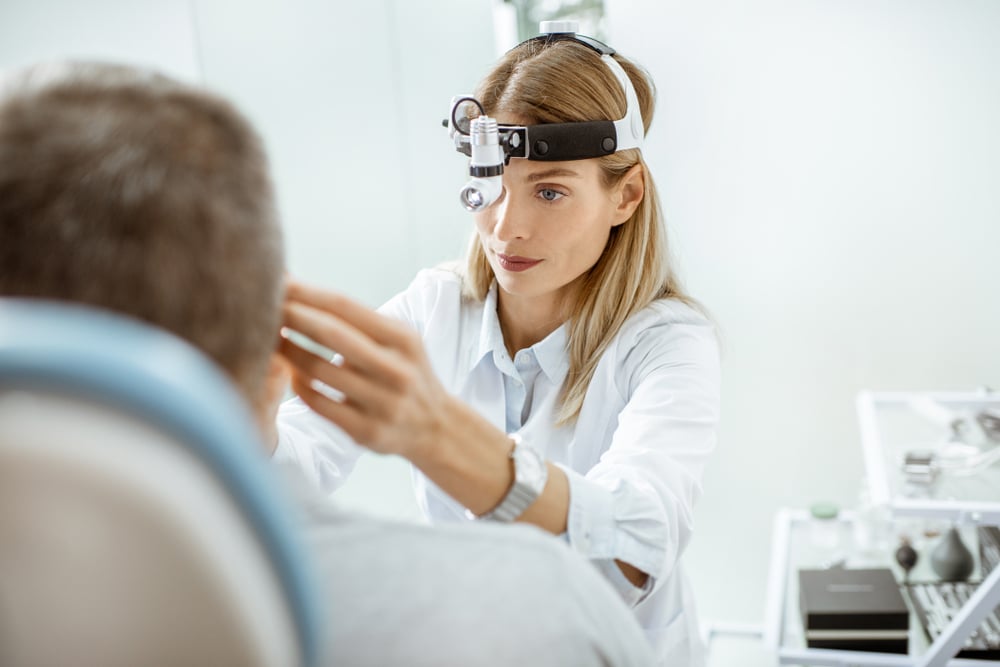
Neurological Eye Conditions
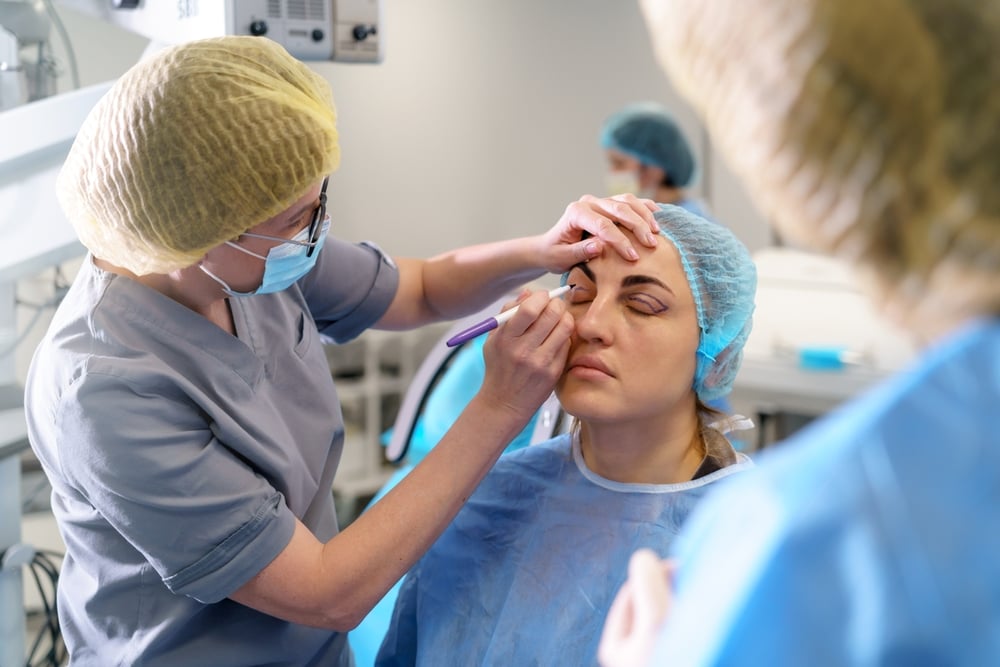
Oculoplastics
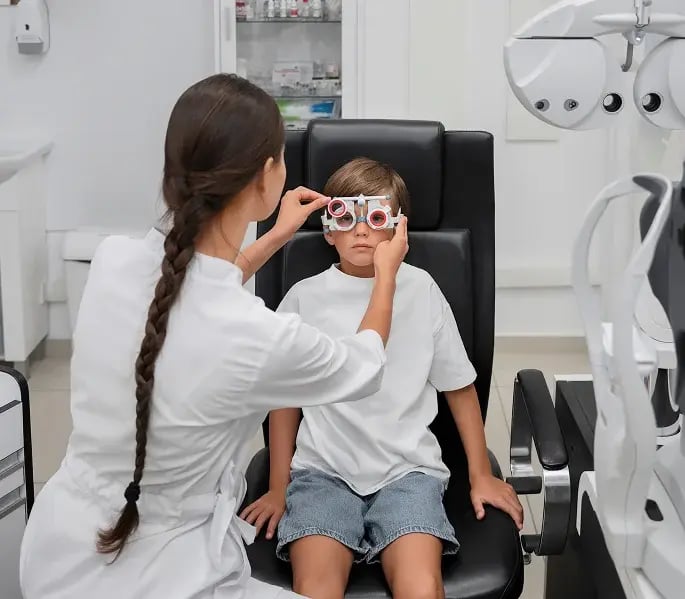
Pediatrics
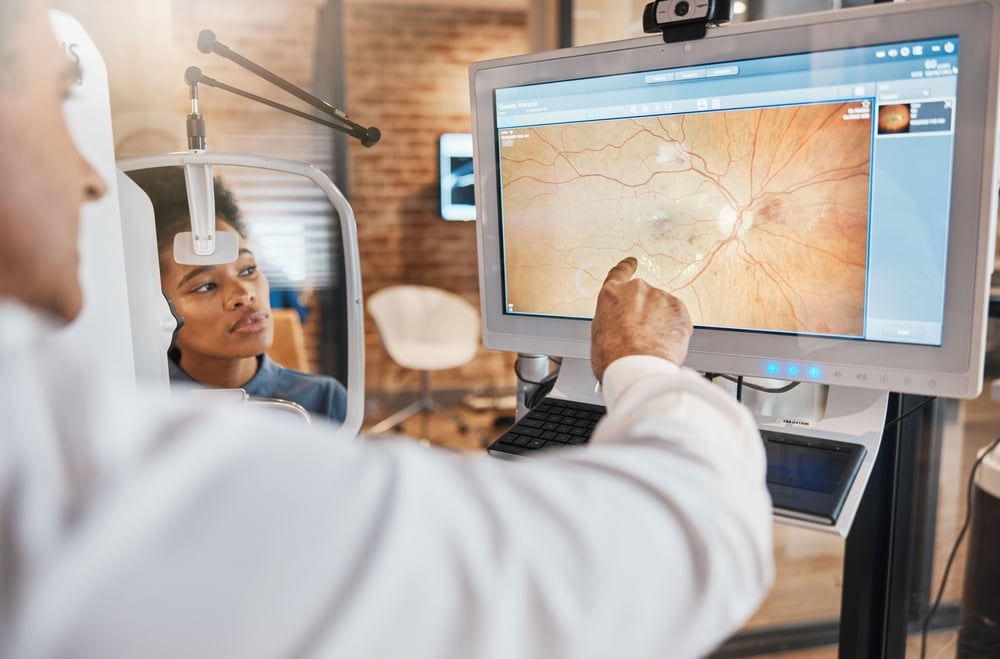
Retina
Get in Touch
We're here to answer your questions and support your referral needs.


 Schedule a Call