 Patients: Request Appointment
 Call VisionAmerica
 Call SouthEast Eye Specialists

Glaucoma Diagnosis & Treatment
Expert Glaucoma Care at SEES Group
Glaucoma refers to a group of progressive eye diseases that damage the optic nerve, often due to elevated eye pressure. If left untreated, glaucoma can lead to permanent vision loss and even blindness.
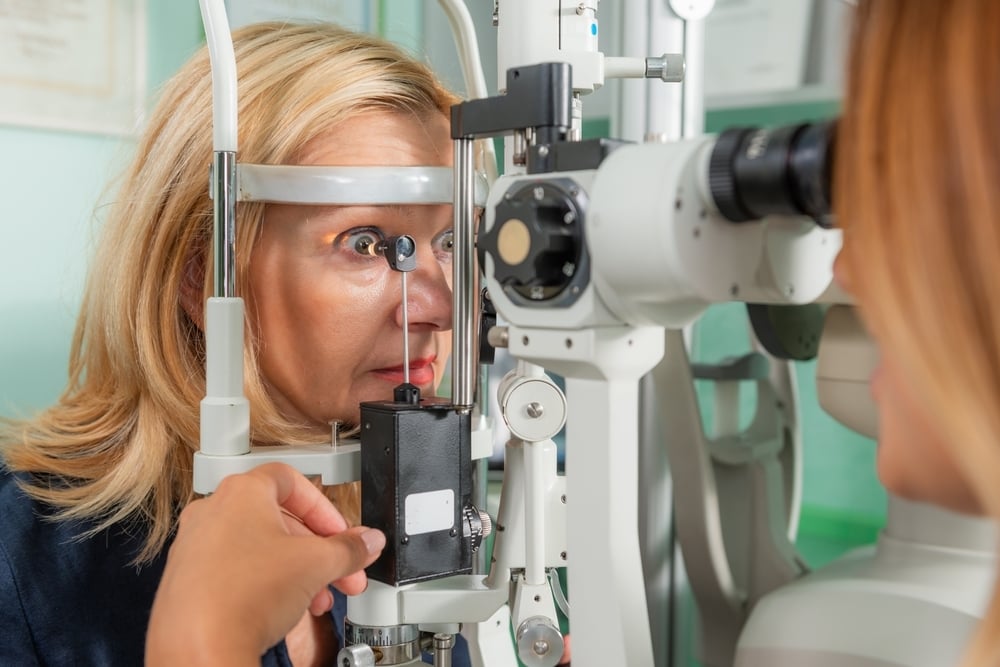
At SouthEast Eye Specialists and VisionAmerica, our glaucoma specialists provide advanced diagnosis, treatment, and long-term management for patients with glaucoma and elevated eye pressure.
With locations serving patients throughout Tennessee and Alabama, our experienced ophthalmologists use advanced technology to detect glaucoma early, monitor optic nerve health, and create personalized treatment plans designed to help protect your vision.
We combine the latest diagnostic technology with personalized treatment plans — and partner closely with referring optometrists to ensure seamless continuity of care.
Advanced Glaucoma Testing & Diagnosis
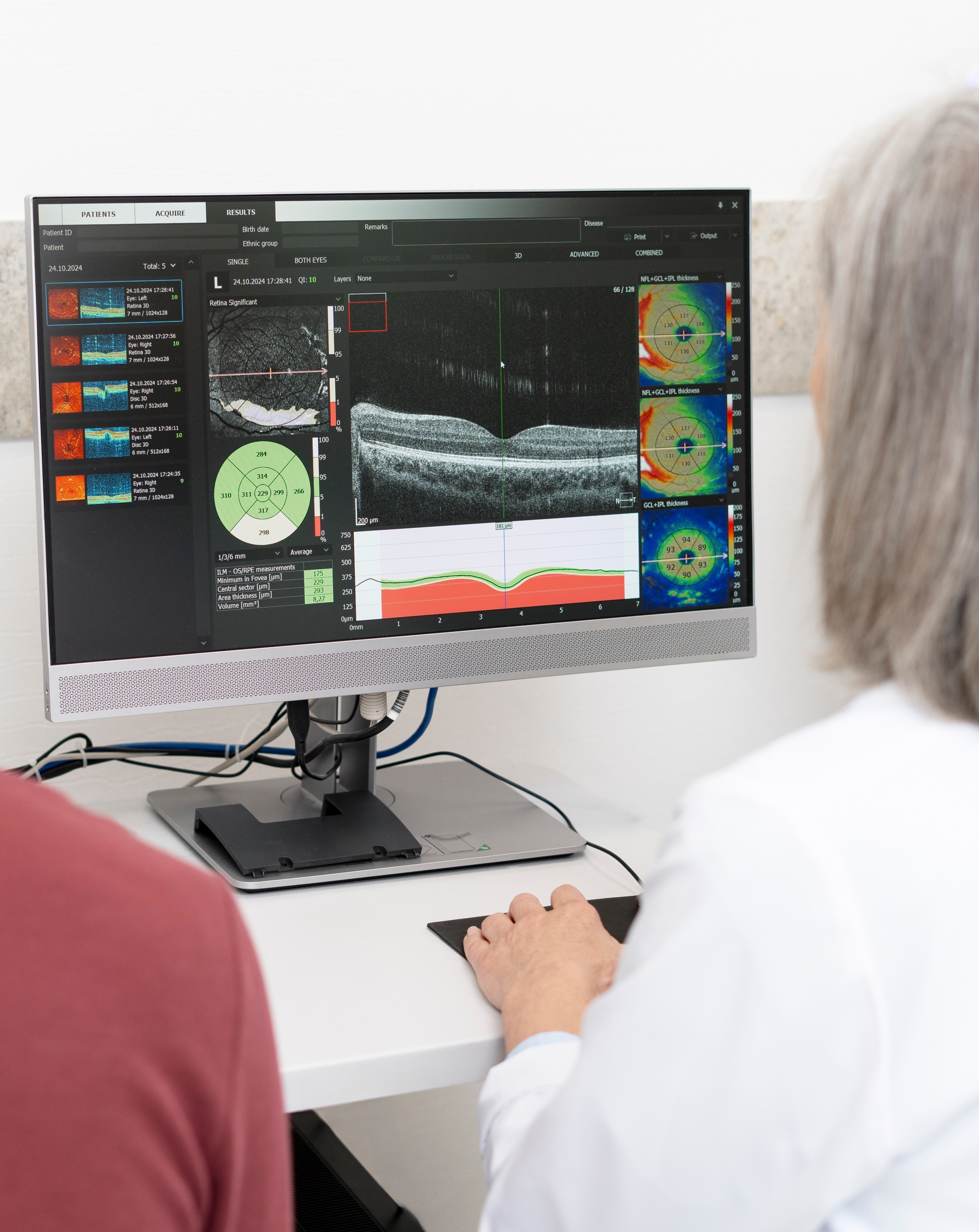
Early glaucoma often develops without noticeable symptoms, which makes routine comprehensive eye exams especially important. Our specialists use advanced testing to identify signs of glaucoma and evaluate changes in the optic nerve.
- Optical Coherence Tomography, or OCT
- Visual Field Testing
- Tonometry to measure intraocular pressure
- Gonioscopy to evaluate the eye’s drainage angle
- Optic nerve evaluation
- Corneal thickness measurement when appropriate
These tests help our glaucoma specialists determine the type and severity of glaucoma and recommend the most effective treatment plan.
Understanding the Different Forms of Glaucoma
Open-Angle Glaucoma
The Most Common Type of Glaucoma
Primary open-angle glaucoma is the most common form of glaucoma. It develops gradually and typically affects both eyes. This chronic condition occurs when the eye’s drainage system becomes less efficient, leading to increased eye pressure and progressive optic nerve damage.
Symptoms of Open-Angle Glaucoma
- Gradual loss of peripheral (side) vision
- Difficulty seeing in low light
- Vision changes that often go unnoticed in early stages
Because symptoms develop slowly, routine comprehensive eye exams are essential for early detection.
Angle-Closure (Closed-Angle) Glaucoma
A Less Common but Urgent Condition
Angle-closure glaucoma occurs when the eye’s drainage angle becomes blocked, causing a sudden rise in intraocular pressure. This type may affect one eye at a time and can be a medical emergency.
Symptoms of Angle-Closure Glaucoma
- Severe eye pain
- Blurred vision
- Halos around lights
- Headache
- Nausea or vomiting
Immediate treatment is necessary to prevent permanent vision loss.


Personalized Glaucoma Treatment
At SouthEast Eye Specialists and VisionAmerica, glaucoma treatment may include prescription eye drops, oral medication, laser therapy, or surgical glaucoma procedures.
Medical Management
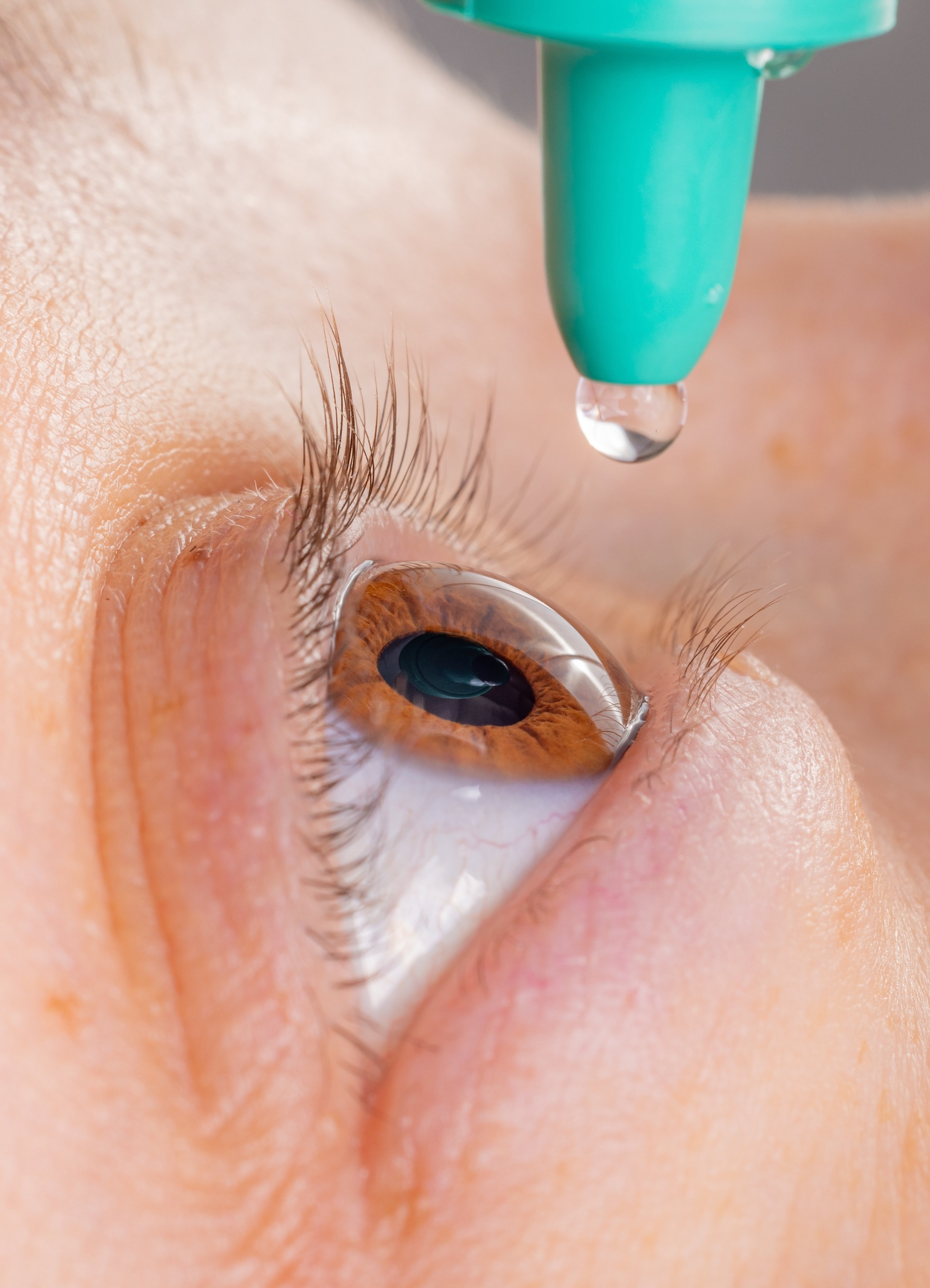
Prescription eye drops are often used to lower intraocular pressure and help reduce stress on the optic nerve. Some patients may need more than one medication or a combination therapy plan to achieve better pressure control.
Our doctors monitor treatment response over time and adjust medications when needed to support long-term vision preservation.
Laser Glaucoma Treatments
Laser procedures can help improve fluid drainage and lower eye pressure for certain types of glaucoma. These minimally invasive treatments may be recommended alone or in combination with medication.
Laser glaucoma treatments may include:
- Selective Laser Trabeculoplasty, or SLT
- Laser Peripheral Iridotomy, or LPI
Surgical Glaucoma Care
For patients with advanced glaucoma or disease that continues to progress despite medication or laser therapy, surgical treatment may be recommended. Glaucoma surgery is designed to improve eye pressure control and help protect the optic nerve from additional damage.
Our glaucoma surgeons evaluate each patient carefully to determine the safest and most effective treatment option.
Trusted Glaucoma Care for Referring Providers
SouthEast Eye Specialists and VisionAmerica work closely with referring optometrists and eye care providers throughout Tennessee and Alabama. Our team supports co-managed care with advanced testing, clear treatment recommendations, timely communication, and coordinated follow-up.
Glaucoma Team




Our Services

Cataracts

Cornea

Glaucoma

Neurological Eye Conditions
Oculoplastics
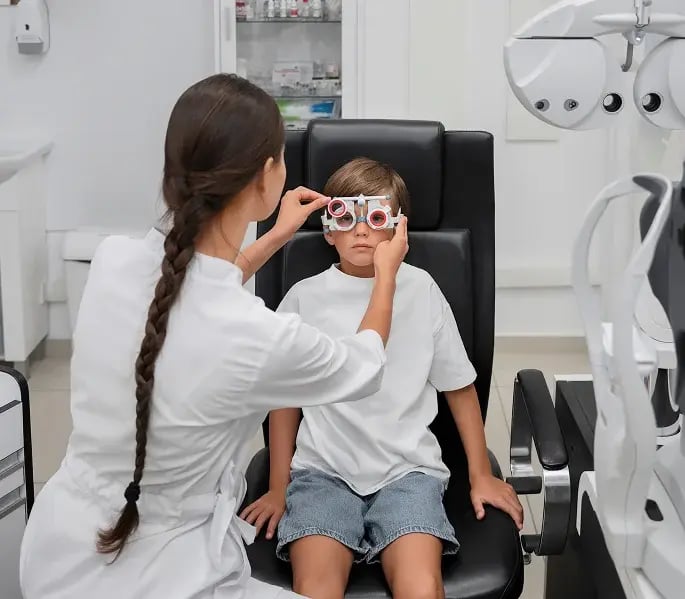
Pediatrics
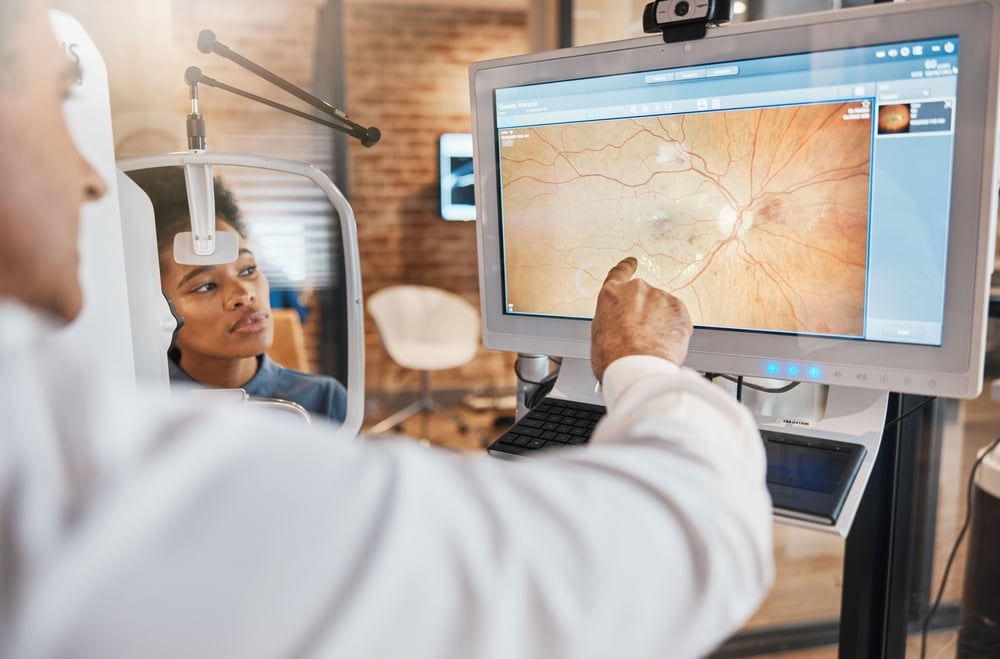
Retina
Get in Touch
We're here to answer your questions and support your referral needs.
Contact Information


Physician Liaison Team
 Schedule a Call
Get in Touch
We're here to answer your questions and support your referral needs.

Multiple locations across the Southeast