 Patients: Request Appointment
 Call VisionAmerica
 Call SouthEast Eye Specialists

Our team provides comprehensive evaluation, diagnosis, and management of complex neurological eye conditions affecting the optic nerve, visual pathways, and eye movement control. Using advanced diagnostic technology and a collaborative care approach, we identify the underlying cause of vision changes and develop personalized treatment plans to protect and preserve visual function.
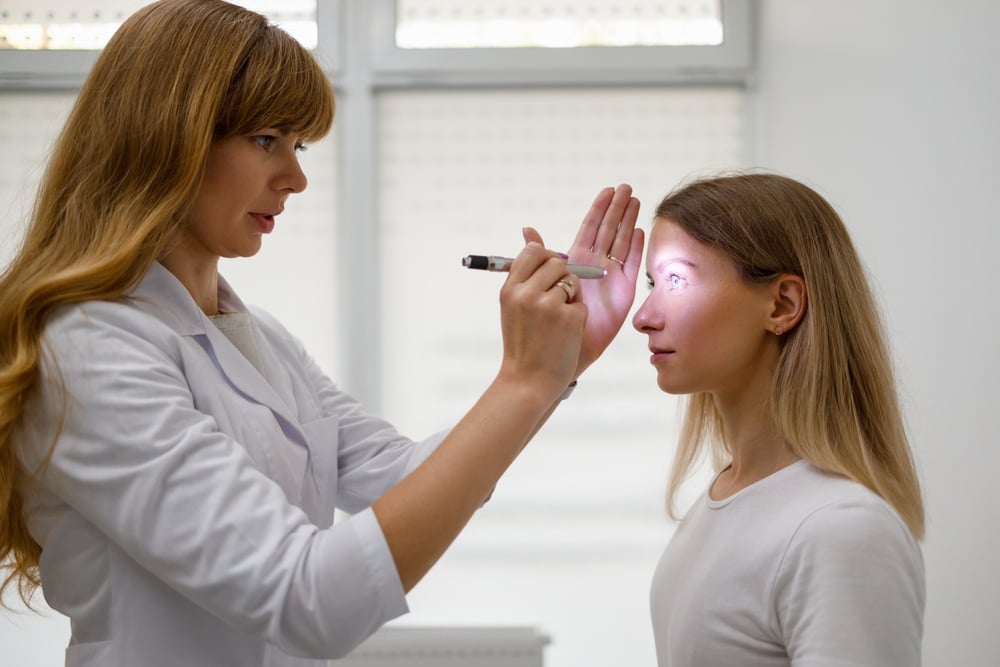
Neurological Eye Condition Specialists in Tennessee and Alabama
At SouthEast Eye Specialists and VisionAmerica, our specialists provide advanced evaluation and care for neurological eye conditions that affect the optic nerve, visual pathways, eye movement, and vision processing.
Serving patients throughout Tennessee and Alabama, our team uses advanced diagnostic testing and coordinated medical care to identify the cause of complex vision symptoms, including double vision, optic nerve swelling, visual field loss, and sudden or unexplained vision changes.
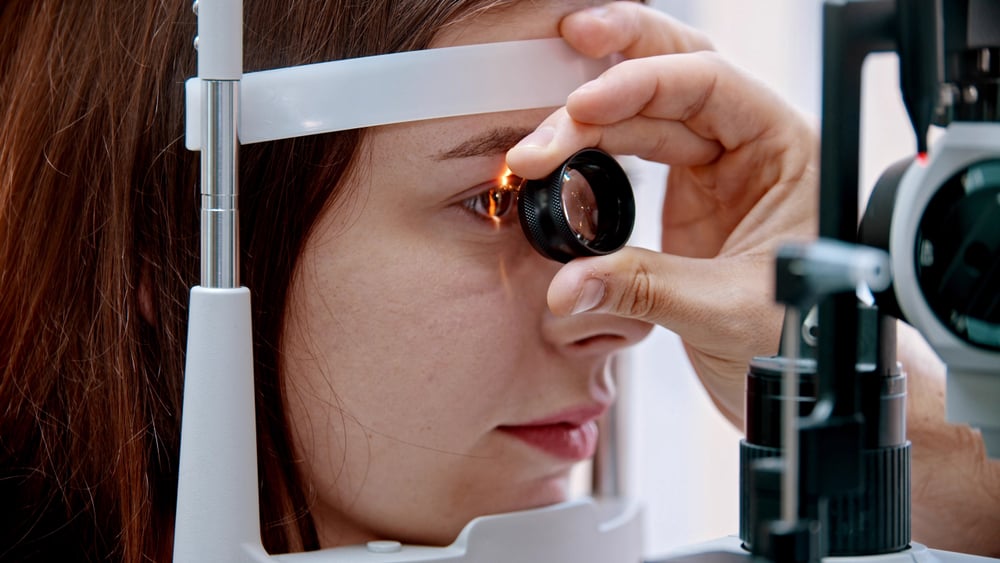
Advanced Neuro-Ophthalmology Care
The eyes and brain work together to create vision. When a neurological condition affects the optic nerve, brain, nervous system, visual pathways, or eye movement control, patients may experience blurred vision, double vision, visual field loss, eye movement problems, or other vision changes.
At SouthEast Eye Specialists and VisionAmerica, our specialists provide comprehensive evaluation and care for neurological eye conditions, also known as neuro-ophthalmic disorders, for patients across Tennessee and Alabama. The current page notes that these conditions can affect the optic nerve, visual pathways, and eye movement control, making accurate diagnosis especially important.
Our goal is to identify the underlying cause of your symptoms, coordinate care with your medical team when needed, and create a personalized treatment plan to help protect and preserve your vision.
- Eye movement
- Visual processing
- Peripheral vision
- Color vision
- Depth perception
Because symptoms may overlap with other medical conditions, accurate diagnosis is critical.
What Are Neurological Eye Conditions?
Neurological eye conditions occur when the brain, optic nerve, or nervous system interferes with normal vision. These conditions can affect eye movement, visual processing, peripheral vision, color vision, and depth perception.
Because symptoms can overlap with other eye, neurological, or medical conditions, a specialized evaluation is often needed to determine the cause of vision changes.
Symptoms of Neurological Vision Problems
Patients with sudden or unexplained vision changes should be evaluated promptly, especially when symptoms involve vision loss, double vision, or changes in visual field.
Common symptoms may include:
- Sudden or unexplained vision loss
- Persistent double vision
- Loss of peripheral vision
- Eye movement abnormalities
- Unusual headaches with vision changes
- Flashing lights, blind spots, or other visual disturbances
- Changes in color vision
- Vision changes after stroke, trauma, or neurological illness
The existing page highlights symptoms such as vision loss, double vision, peripheral vision loss, eye movement abnormalities, headaches with vision changes, and flashing lights or blind spots.

Symptoms of Neurological Vision Problems
Patients who have any loss of visual acuity, visual field, or color vision due to a problem with the brain or optic nerves should be evaluated and treated as soon as possible.
Some of the typical disorders include:
- Sudden or unexplained vision loss
- Persistent double vision
- Loss of peripheral vision
- Eye movement abnormalities
- Eye movement abnormalities
- Unusual headaches with vision changes
- Visual disturbances such as flashing lights or blind spots
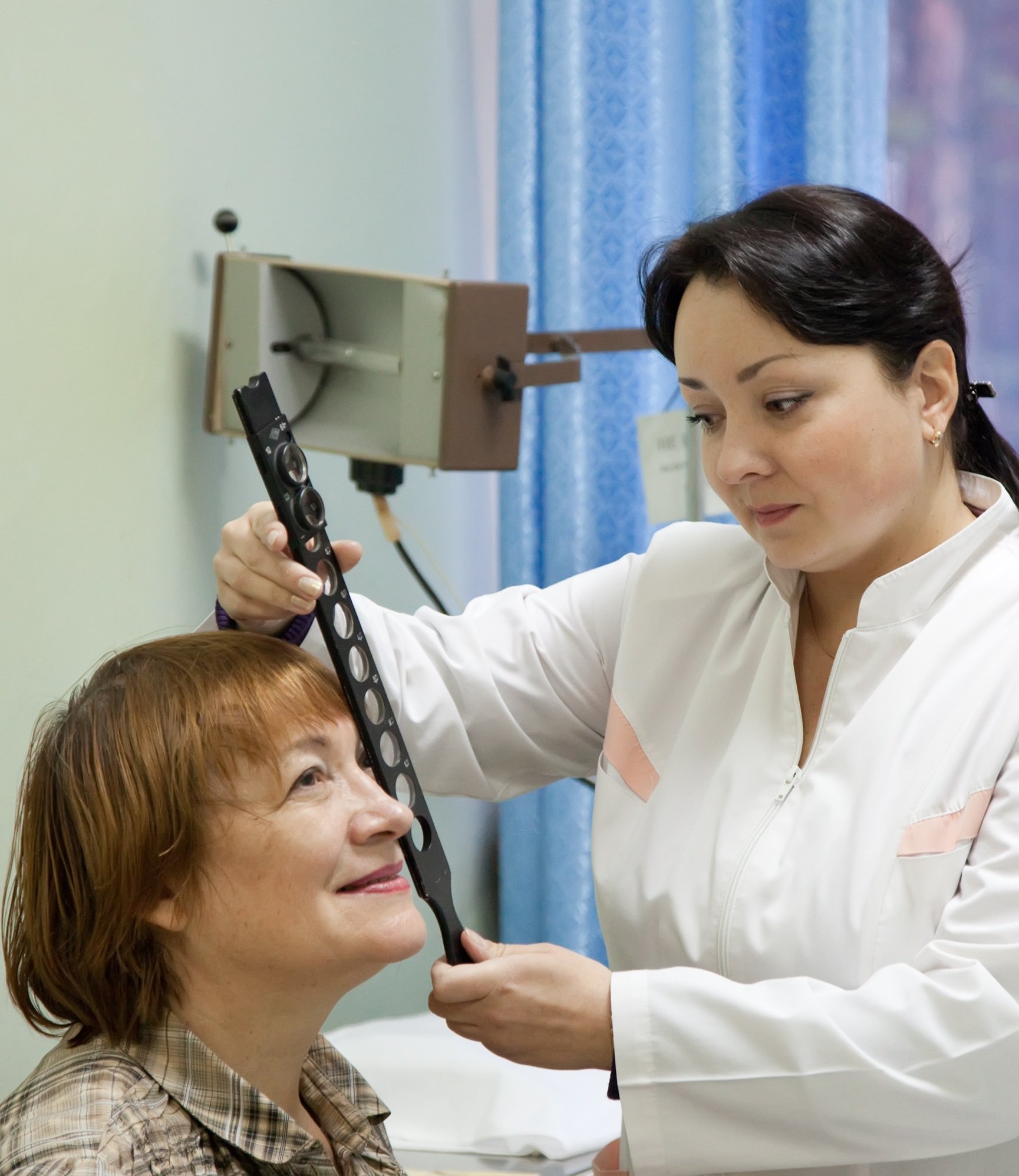
Common Neuro-Ophthalmic Conditions We Treat
- Optic neuritis
- Ischemic optic neuropathy
- Papilledema (optic nerve swelling)
- Double vision (diplopia)
- Visual field loss
- Pupil abnormalities
- Cranial nerve palsies
- Vision changes related to stroke
- Vision changes related to tumors
- Vision changes related to neurological disease
SouthEast Eye Specialists and VisionAmerica support referring providers throughout Tennessee and Alabama with advanced diagnostic testing, specialty evaluation, timely communication, and coordinated treatment recommendations.
For patients with double vision, optic nerve disorders, visual field loss, papilledema, or unexplained neurological vision changes, our team provides referral-based care designed to help identify the underlying cause and protect long-term vision.
We work closely with neurologists, primary care physicians, and referring optometrists to ensure comprehensive care.Neurological Specialists Team


Our Services

Cataracts
Cataracts occur when the eye’s natural lens becomes cloudy, causing blurred vision. Although most commonly related to aging, cataracts can also develop due to medical conditions, injury, UV exposure, or certain medications.
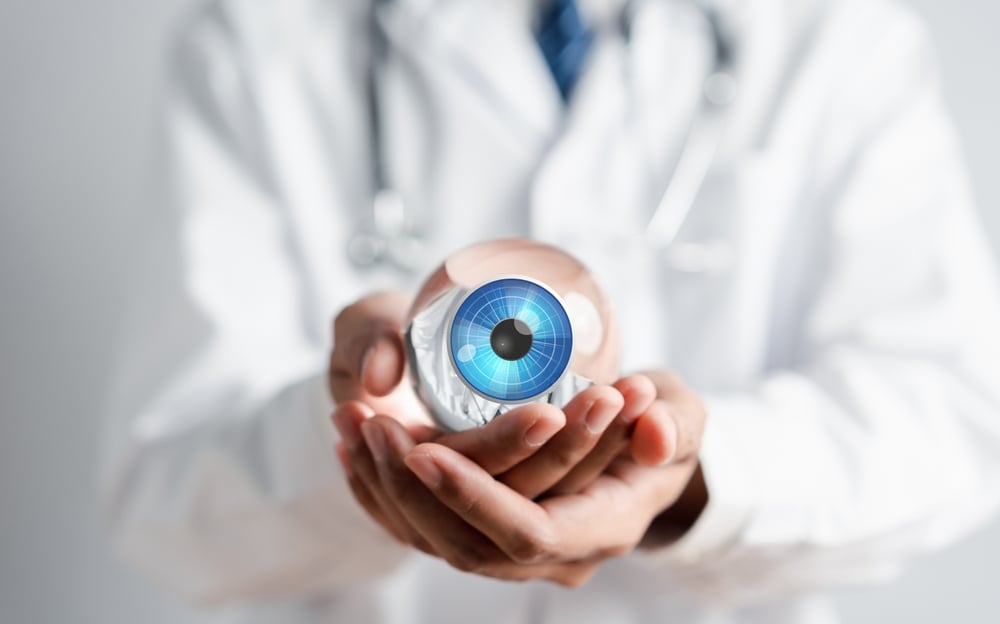
Cornea
The cornea is the clear, dome-shaped front surface of the eye that helps focus light for sharp, clear vision. When the cornea becomes damaged or diseased, it can lead to blurred vision, discomfort, and other vision problems that may require specialized eye care treatment.

Glaucoma
The optic nerve carries visual information from the eye to the brain, making it essential for clear vision. Glaucoma is a group of eye diseases that damage the optic nerve — often due to increased eye pressure — and can lead to permanent vision loss if not diagnosed and treated early.
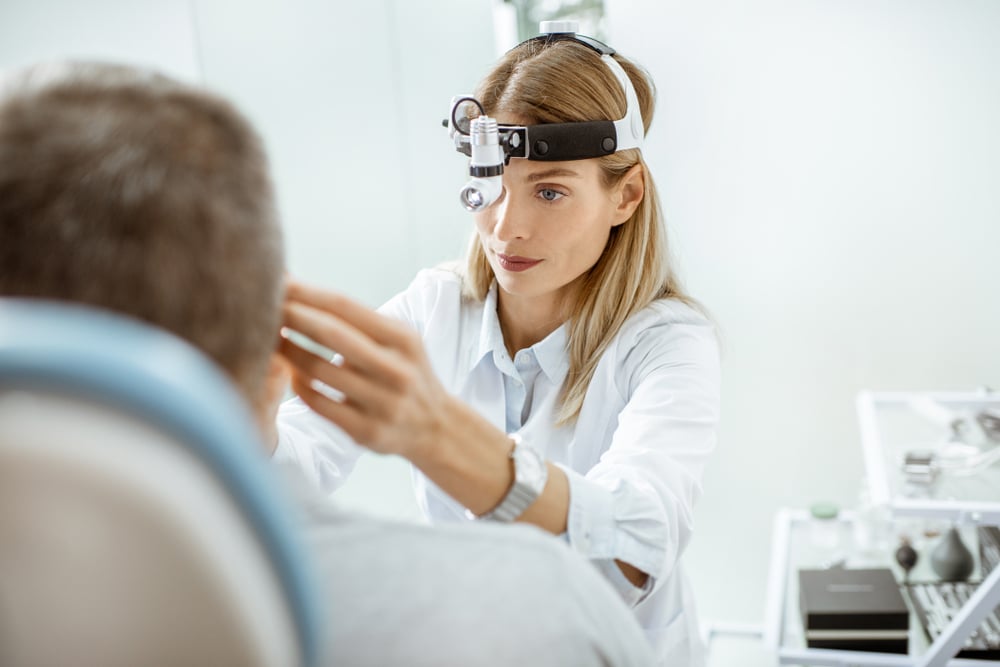
Neurological Eye Conditions
Our providers specialize in diagnosing and treating conditions affecting the eye’s nervous system, including optic nerve disorders and neuro-ophthalmic conditions that can impact vision, eye movement, and visual processing. Using advanced diagnostic technology, we deliver targeted treatment plans to help protect and preserve your vision.
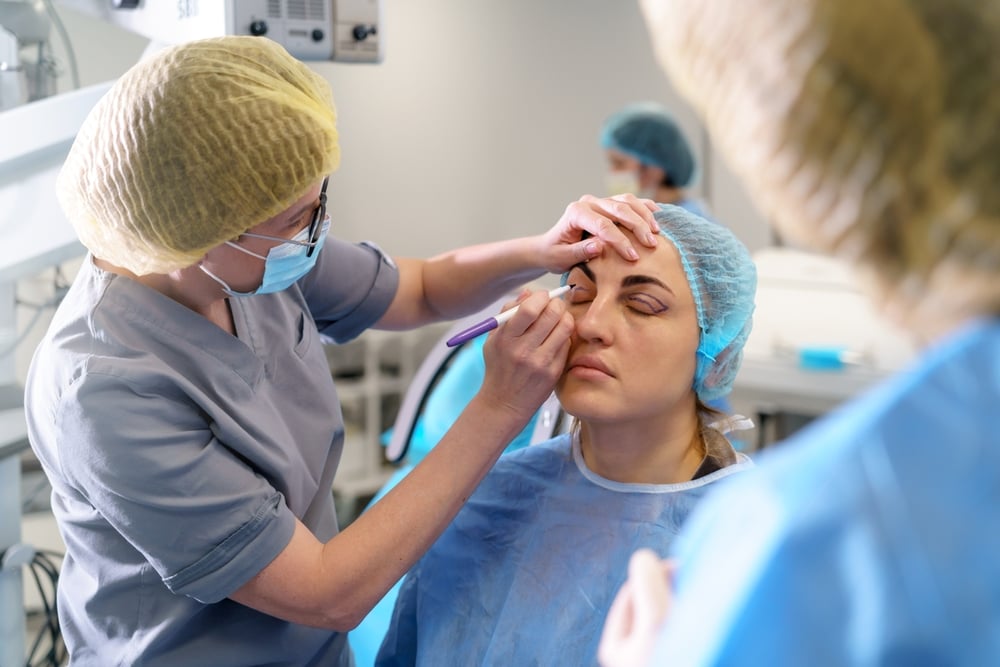
Oculoplastics
Oculoplastic surgery includes specialized procedures designed to restore both the function and appearance of the eyelids and surrounding facial structures. These treatments address concerns involving the eyelids, tear ducts, orbit, and facial muscles to improve vision, comfort, and overall eye health.
Pediatrics
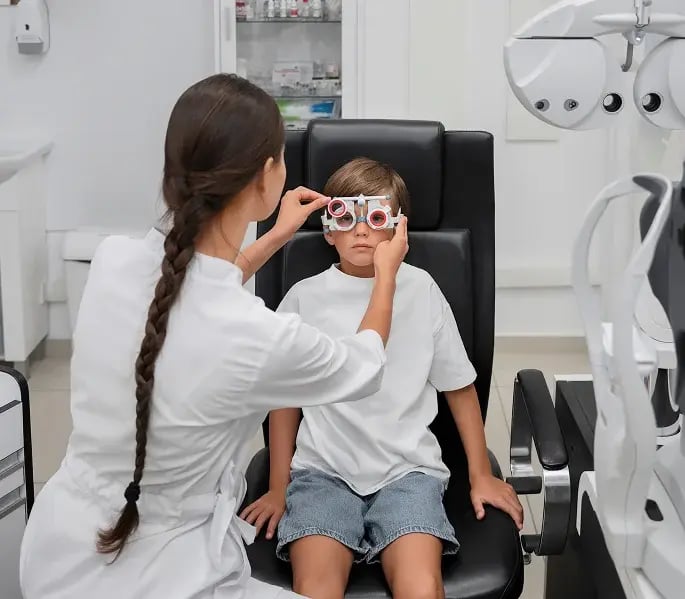
The first 10 years of life are critical for a child’s visual development. Early pediatric eye exams and timely treatment of childhood vision problems — such as lazy eye (amblyopia), crossed eyes (strabismus), and refractive errors — are essential to protect long-term eye health and support clear, healthy vision.
Retina
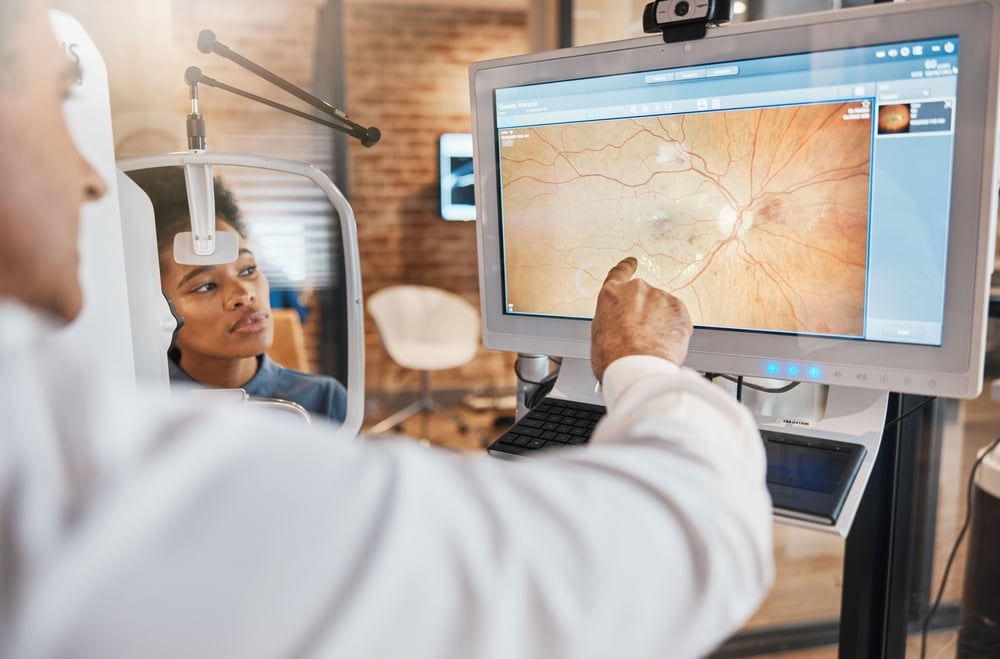
Our retina specialists provide advanced diagnosis and treatment for a wide range of retinal diseases and conditions affecting the back of the eye. From macular degeneration and diabetic retinopathy to retinal tears and retinal detachment, we use state-of-the-art diagnostic imaging and innovative treatment options to protect, preserve, and restore your vision.
Get in Touch
We're here to answer your questions and support your referral needs.
Contact Information


Physician Liaison Team
Our dedicated liaison team is available to support your referrals and answer any questions.
 Schedule a Call