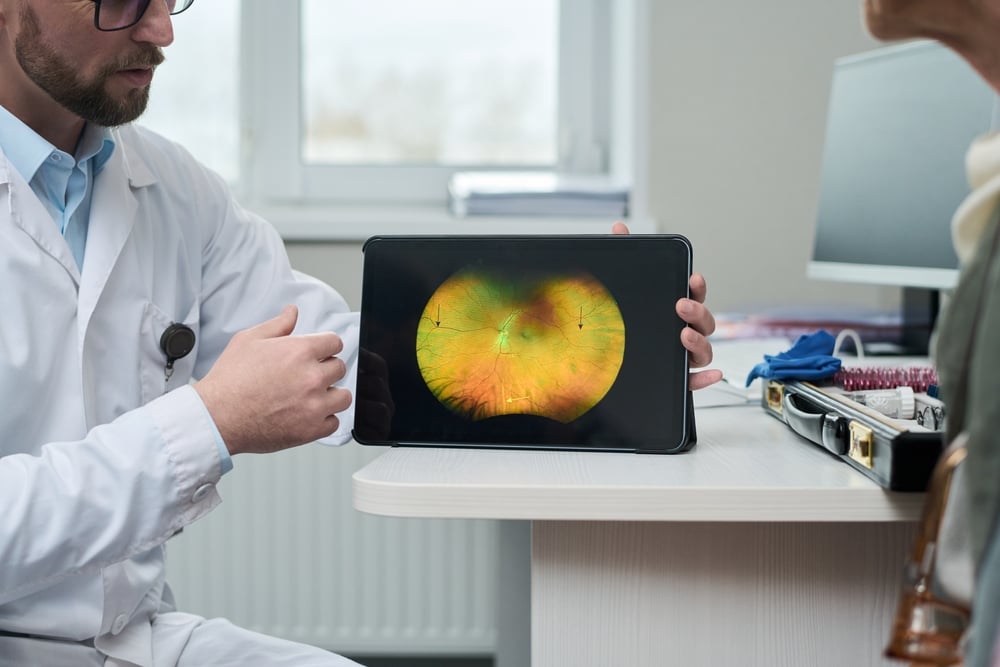
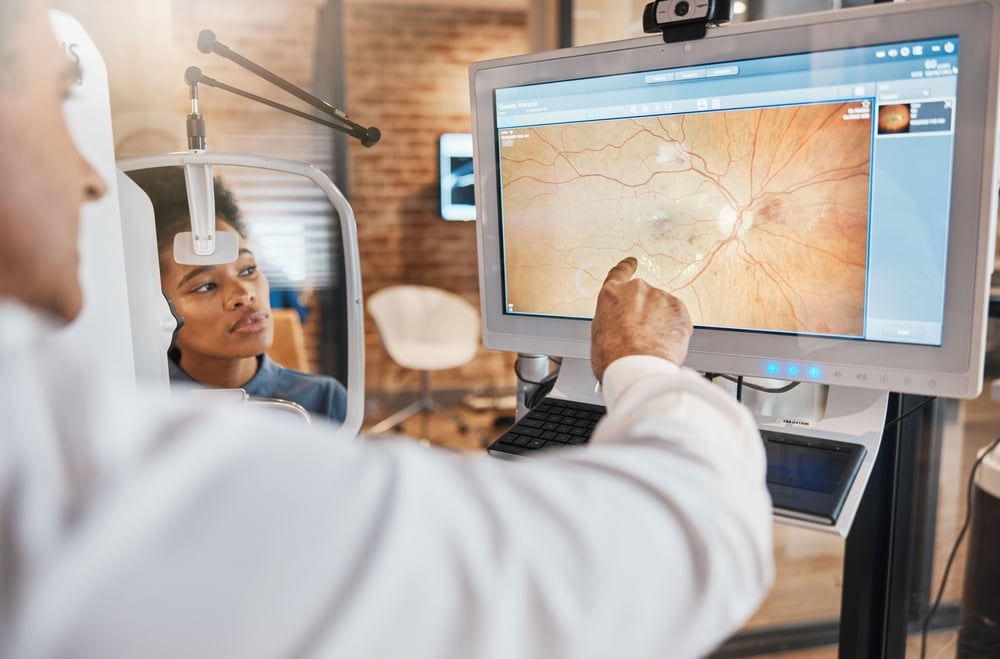
Retina specialist examining patient at Southeast Eye Specialists and VisionAmerica

Advanced Retina Care from SouthEast Eye Specialists and VisionAmerica

The retina is the light-sensitive tissue lining the back of the eye. It captures light and sends visual signals to the brain, making it essential for clear, detailed vision. When the retina becomes damaged or diseased, vision can be affected dramatically. The current retina page explains that retinal specialists provide comprehensive evaluation, diagnosis, and advanced treatment using state-of-the-art imaging and proven therapies to protect and preserve vision.

At SouthEast Eye Specialists and VisionAmerica, our retina specialists provide advanced diagnosis and treatment for patients throughout Tennessee and Alabama. We evaluate retinal structure, retinal blood flow, macular health, peripheral retina concerns, and vision changes using detailed diagnostic technology.

Our goal is to detect retinal disease early, manage chronic retinal conditions, and provide timely treatment for urgent retina problems that may threaten long-term vision.
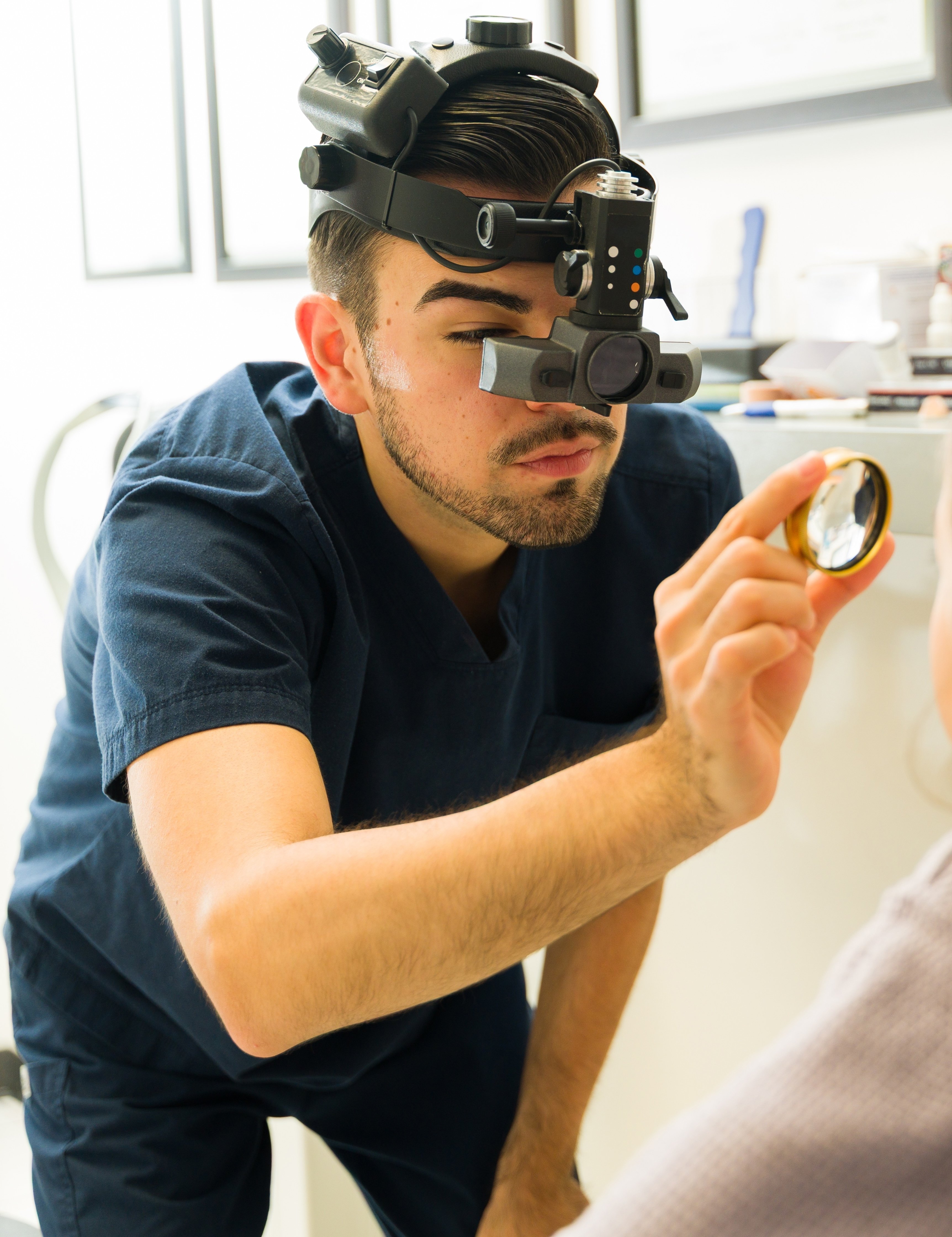
Retina specialist examining patient at Southeast Eye Specialists and VisionAmerica
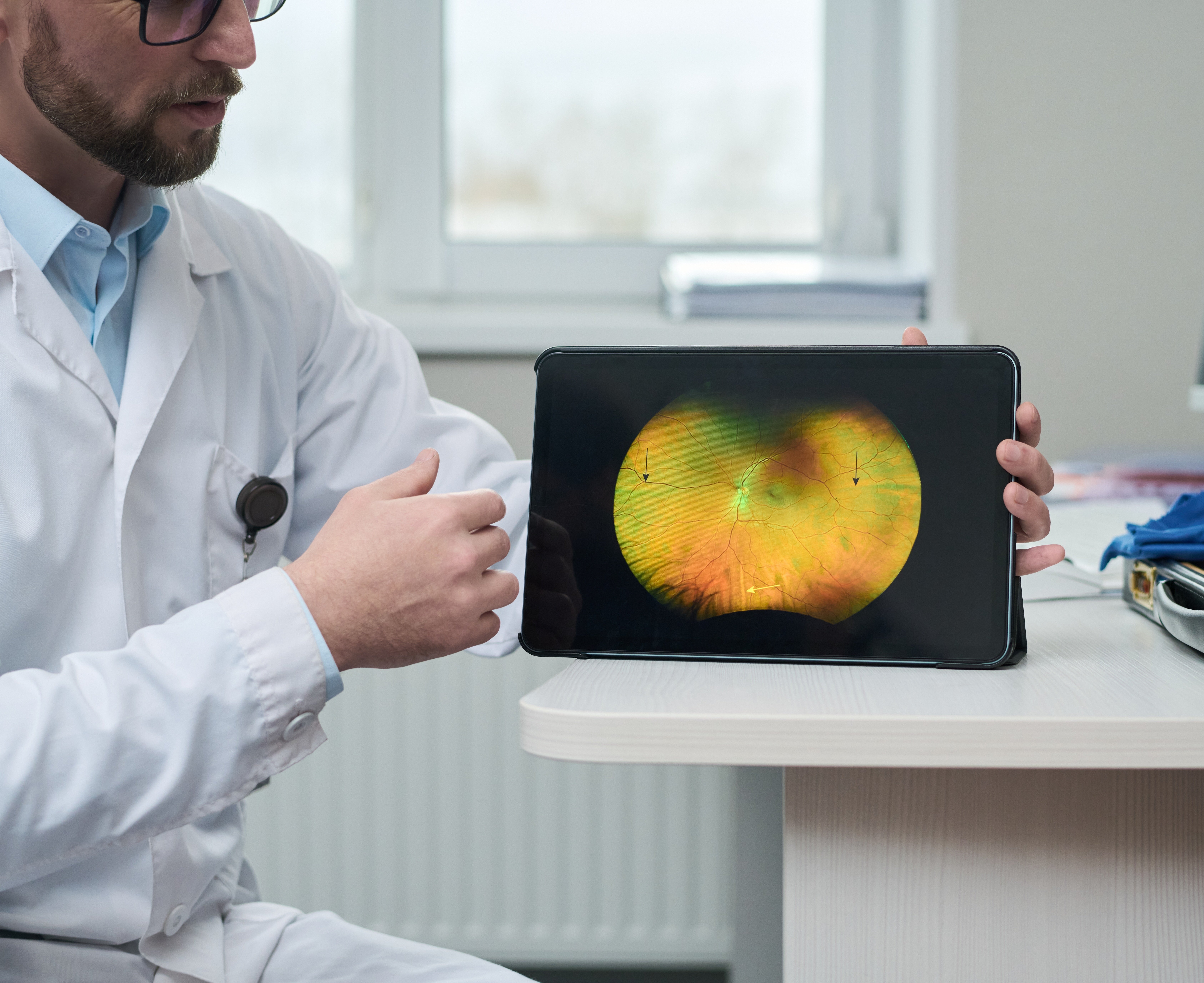
Retina specialist consultation at SouthEast Eye Specialists and VisionAmerica in Tennessee and Alabama

What do our Retina Specialists treat?

A retina specialist is an ophthalmologist with advanced training in diseases and conditions affecting the retina, macula, vitreous, and blood vessels in the back of the eye. Patients may be referred to a retina doctor for sudden vision changes, diabetic eye disease, macular degeneration, retinal tears, retinal detachment, or abnormal retinal imaging.

Retina specialists commonly evaluate and treat:

Retina specialist consultation at SouthEast Eye Specialists and VisionAmerica in Tennessee and Alabama
  • Age-related macular degeneration, or AMD
  • Diabetic retinopathy
  • Retinal tears
  • Retinal tears
  • Retinal vein occlusion
  • Retinal artery occlusion
  • Macular edema
  • Epiretinal membrane
  • Vitreous hemorrhage
  • Flashes and floaters
  • Inflammatory retinal conditions
  • Peripheral retinal disease
Patient receiving retina evaluation from SouthEast Eye Specialists and VisionAmerica

Symptoms of Retinal Disease

Retinal disease may develop gradually or appear suddenly. Some retinal conditions do not cause noticeable symptoms in the early stages, which makes routine eye exams especially important for patients with diabetes, high blood pressure, a family history of retinal disease, or age-related risk factors.

Common retina-related symptoms include:

Patient receiving retina evaluation from SouthEast Eye Specialists and VisionAmerica
  • Blurry or distorted vision
  • Dark spots or missing areas in vision
  • Sudden flashes of light
  • New or increased floaters
  • A shadow or curtain in the field of vision
  • Difficulty reading or recognizing faces
  • Loss of central vision
  • Loss of peripheral vision
  • Sudden vision loss
  • Wavy or distorted straight lines

Retinal Vein & Artery Occlusions
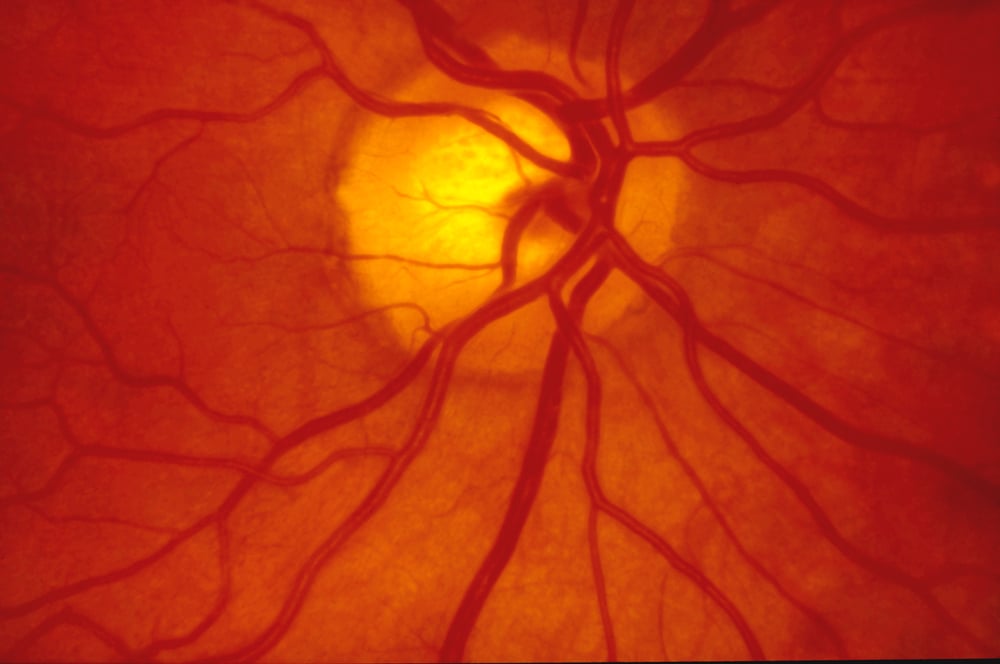
Diabetic retinopathy retinal image showing damaged blood vessels

Age-Related Macular Degeneration (AMD)

A leading cause of vision loss in adults over 50, AMD affects central vision and can make reading, driving, and recognizing faces difficult.
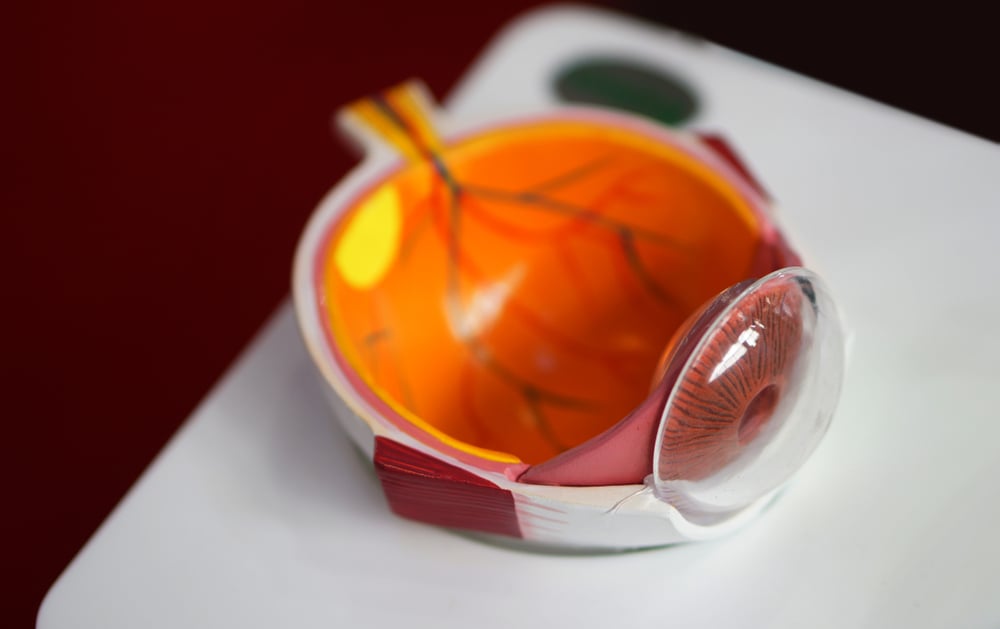
Retinal scan showing macular degeneration affecting central vision

Diabetic Retinopathy

A complication of diabetes that damages retinal blood vessels and can lead to vision loss if not closely monitored and treated.
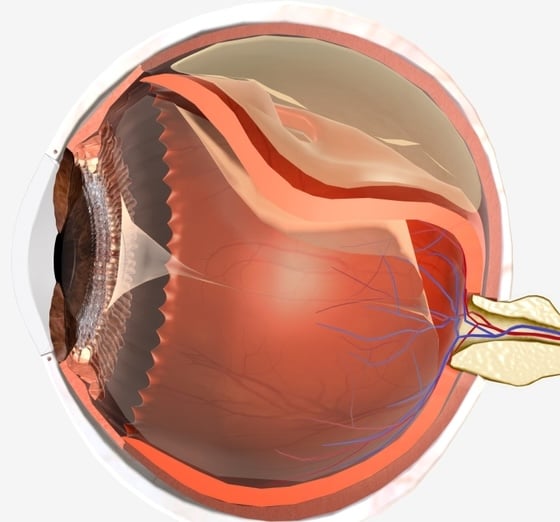
Diagram illustrating retinal detachment requiring urgent treatment

Retinal Tears & Retinal Detachment

A tear or separation of the retina requires urgent evaluation and treatment to prevent permanent vision loss.
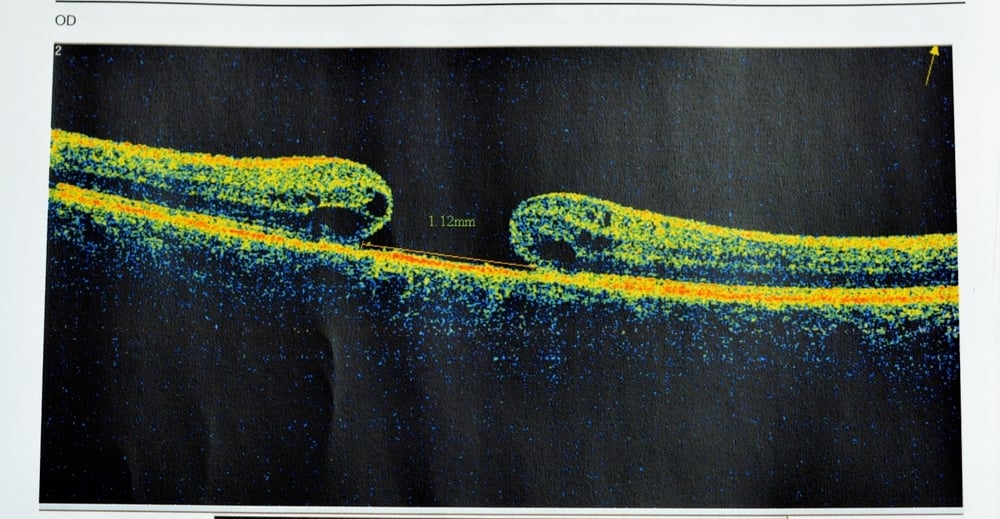
Epiretinal Membrane

Epiretinal Membrane

An epiretinal membrane is a thin layer of scar tissue that develops on the surface of the retina. These membranes, which often develop after a vitreous separation related to aging, are common and often do not cause any problems.
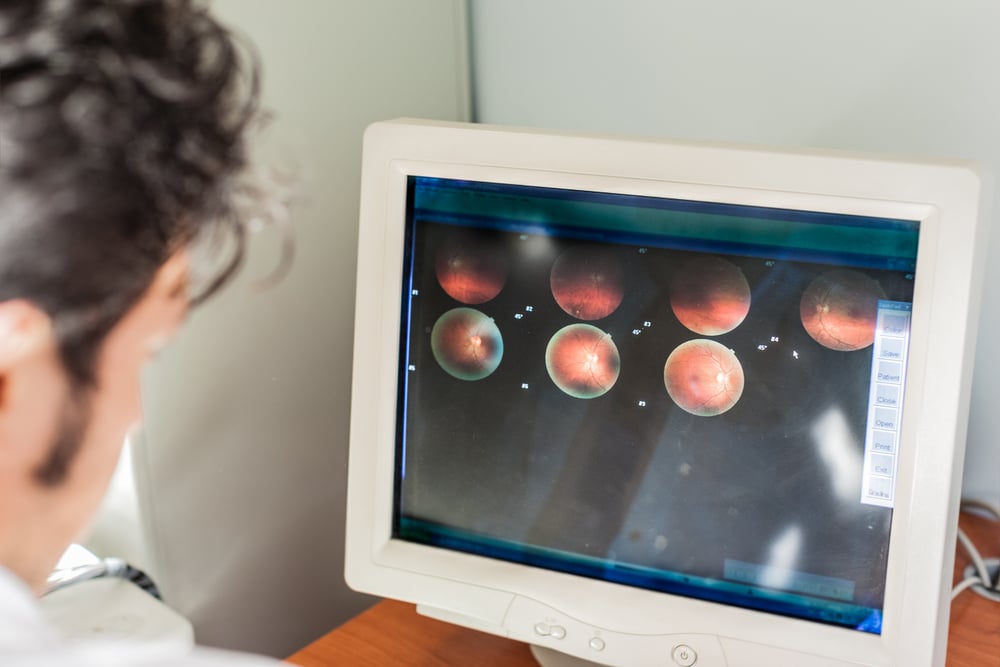
Retinal Vein & Artery Occlusions southeast eye specialists

Retinal Vein & Artery Occlusions

A retinal tear or retinal detachment occurs when the retina pulls away from the back of the eye, disrupting its ability to send visual signals to the brain. Symptoms may include sudden flashes of light, new floaters, blurred vision, or a shadow or curtain appearing in your field of vision. These conditions require immediate evaluation by a retinal specialist, as prompt treatment with laser therapy or retinal surgery can prevent permanent vision loss and preserve eyesight.
Wide-field retinal imaging used to detect peripheral retinal tears

Macular Edema

Macular edema is swelling of the macula — the central part of the retina responsible for sharp, detailed vision. It commonly develops as a complication of diabetic retinopathy, retinal vein occlusions, or inflammatory eye disease. Symptoms may include blurred or distorted central vision. Early diagnosis using advanced retinal imaging and treatment with targeted injections or laser therapy can help reduce swelling and protect long-term visual function.

Comprehensive Retinal Evaluation

Accurate diagnosis is essential for effective retinal treatment and long-term vision preservation. Because many retinal diseases develop gradually or without early symptoms, advanced imaging and detailed evaluation are critical for early detection and ongoing monitoring. Our retinal specialists use state-of-the-art diagnostic technology to assess the structure and function of the retina with precision, including:

  • Optical Coherence Tomography (OCT) to capture high-resolution cross-sectional images of the retinal layers
  • Wide-field retinal imaging to evaluate the peripheral retina for tears or detachment
  • Fundus photography to document and monitor retinal changes over time
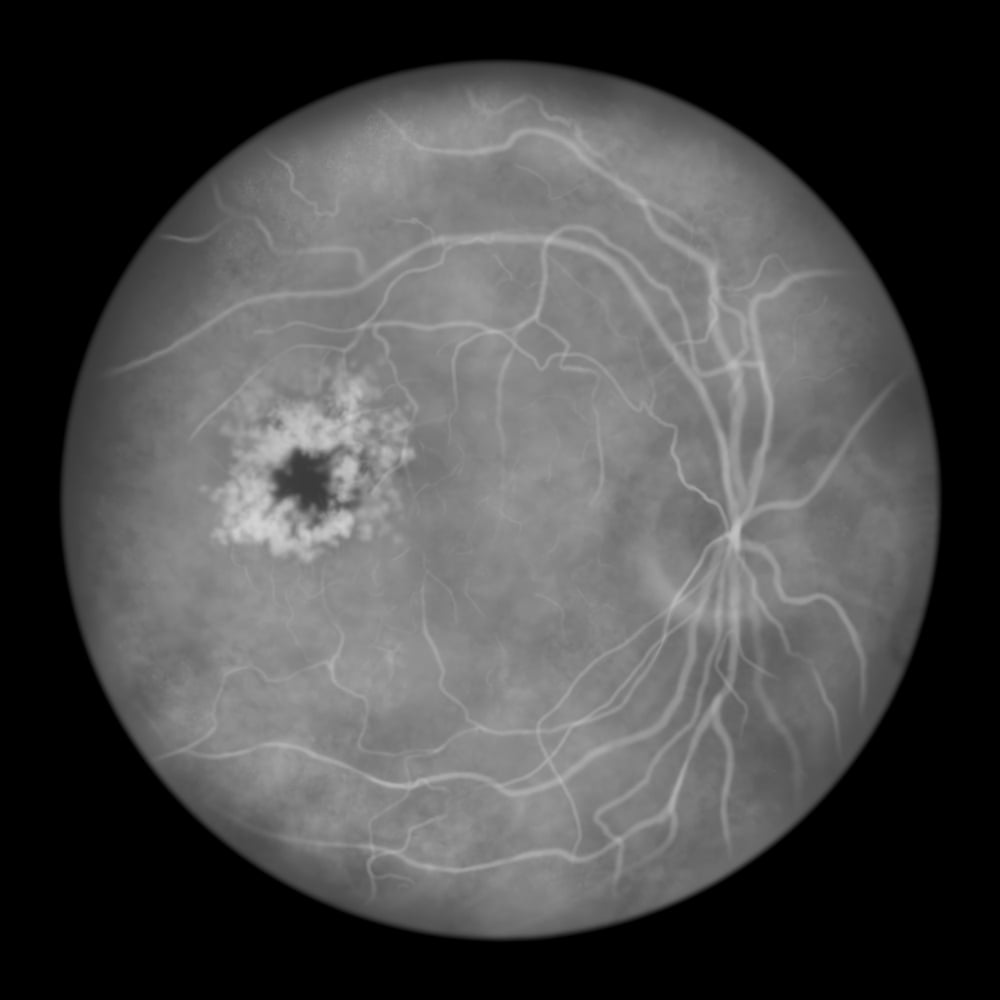
  • Fluorescein angiography to assess retinal blood flow and detect leaking or blocked vessels
  • Ocular ultrasound for evaluating retinal detachment or vitreous hemorrhage when visibility is limited
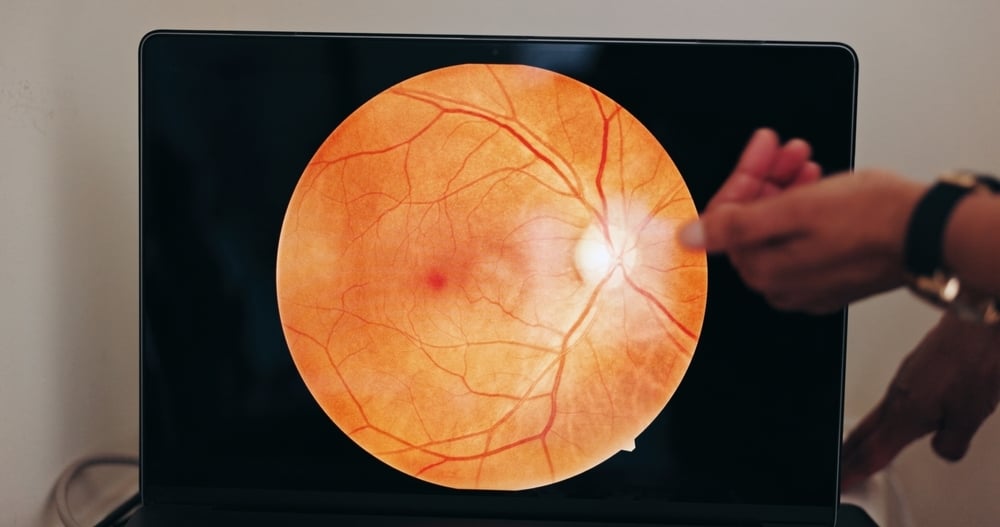
Diabetic retinopathy evaluation at SouthEast Eye Specialists and VisionAmerica in Tennessee and Alabama

Optical Coherence Tomography (OCT)

to capture high-resolution images of retinal layers.
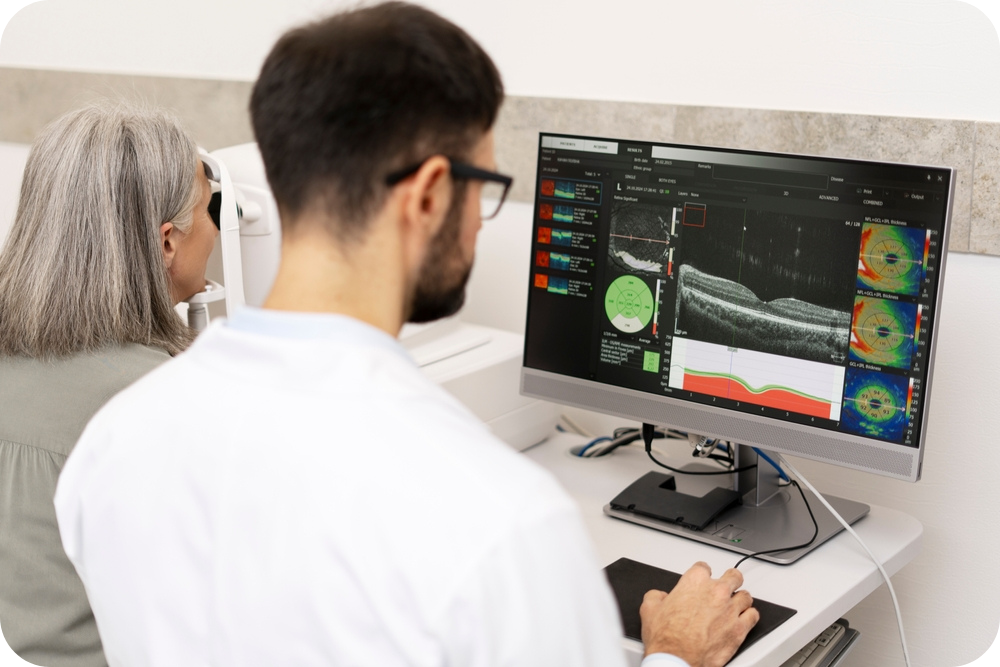
OCT retina scan used to diagnose macular edema and retinal disease


Fundus Photography - Retina

to document and monitor retinal changes over time.
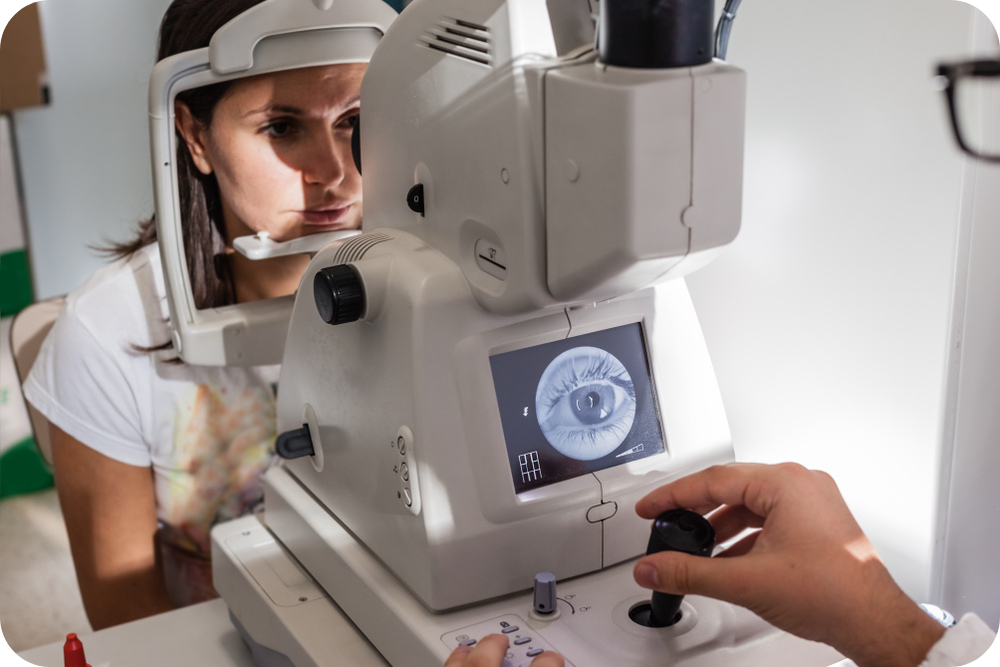
Patient receiving retina evaluation from SouthEast Eye Specialists and VisionAmerica


Fluorescein Angiography

to assess retinal blood flow and detect leaking or blocked vessels.
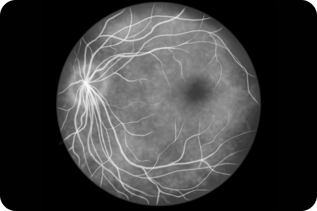
Fluorescein angiography testing for retinal blood flow and vascular occlusions

Wide-field Retinal Imaging

to evaluate the peripheral retina for tears or detachment.
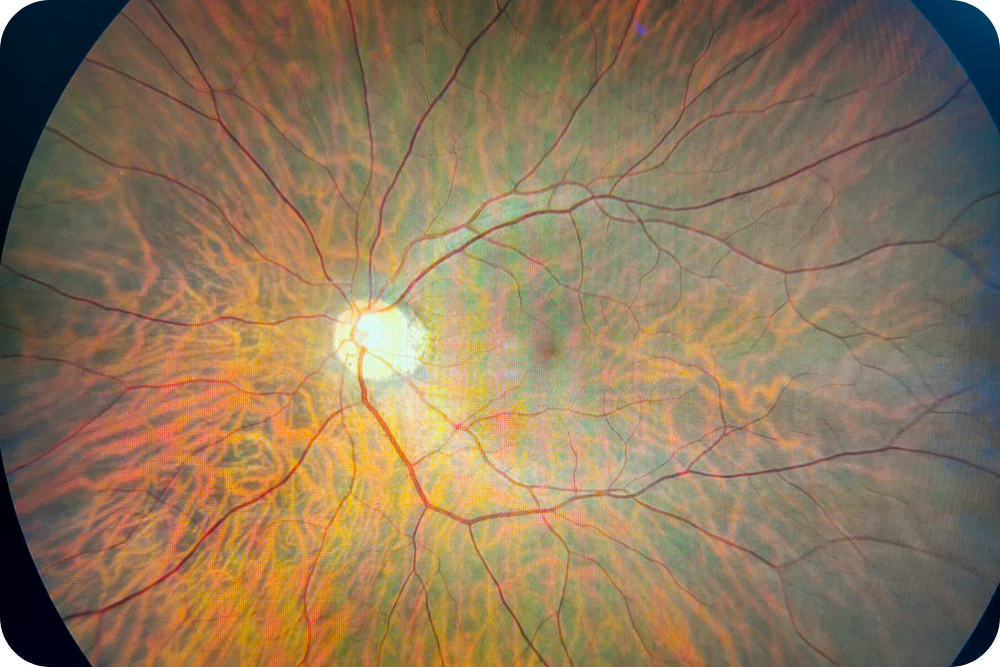
Wide-field retinal imaging for peripheral retina disease and retinal tears


Ultrasound Imaging of the Eye

to evaluate retinal detachment or vitreous hemorrhage when visibility is limited.

Ultrasound Imaging Retina doctors at SouthEast Eye Specialists and VisionAmerica serving Tennessee and Alabama


Frequently Asked Questions

What does a retina specialist do?

A retina specialist diagnoses and treats diseases affecting the retina, macula, vitreous, and retinal blood vessels. This may include macular degeneration, diabetic retinopathy, retinal tears, retinal detachment, macular edema, epiretinal membrane, and retinal vascular occlusions.

When should I see a retina specialist?

You should consider seeing a retina specialist if you experience sudden flashes of light, new floaters, a curtain or shadow in your vision, distorted central vision, sudden vision loss, diabetic eye disease, or a diagnosis of macular degeneration or retinal disease.

What are symptoms of a retinal tear or detachment?

Symptoms may include sudden flashes of light, new or increased floaters, blurred vision, or a shadow or curtain appearing in your field of vision. These symptoms should be evaluated urgently because retinal tears and detachments can lead to permanent vision loss.

What is diabetic retinopathy?

Diabetic retinopathy is a diabetes-related eye disease that damages blood vessels in the retina. It may not cause symptoms early, but it can lead to vision loss if it is not monitored and treated.

What is age-related macular degeneration?

Age-related macular degeneration, or AMD, affects the macula, the part of the retina responsible for central vision. It can make reading, driving, and recognizing faces more difficult, especially in adults over age 50.

What tests are used during a retina evaluation?

A retina evaluation may include OCT imaging, wide-field retinal imaging, fundus photography, fluorescein angiography, and ocular ultrasound depending on the patient’s symptoms and diagnosis.

Do SouthEast Eye Specialists and VisionAmerica offer retina care in Tennessee and Alabama?

Yes. SouthEast Eye Specialists and VisionAmerica provide advanced retina evaluations, diagnostic imaging, and treatment for retinal diseases throughout Tennessee and Alabama.

Our Retina Team

Brown Retina scroller pic

L. Dale Brown, M.D.

fuller Retina scroller pic

Jeffrey Fuller, M.D.

funderburk retina scroller pic

Randall Funderburk, M.D.

kostamaa retina scroller pic

Eric Kostamaa, M.D.

Mallory retina scroller pic

Paul W. Mallory, M.D.

Monsalve retina scroller pic

Pedro Monsalve, M.D.

stone retina scroller pic

John L. Stone, M.D.

Our Services

Retina exam for flashes and floaters at SouthEast Eye Specialists and VisionAmerica in Tennessee and Alabama

Cataracts

Cataracts occur when the eye’s natural lens becomes cloudy, causing blurred vision. Although most commonly related to aging, cataracts can also develop due to medical conditions, injury, UV exposure, or certain medications.
Retina specialist reviewing OCT imaging results with patient in Tennessee and Alabama

Cornea

The cornea is the clear, dome-shaped front surface of the eye that helps focus light for sharp, clear vision. When the cornea becomes damaged or diseased, it can lead to blurred vision, discomfort, and other vision problems that may require specialized eye care treatment.
Advanced diabetic eye disease screening at SouthEast Eye Specialists and VisionAmerica

Glaucoma

The optic nerve carries visual information from the eye to the brain, making it essential for clear vision. Glaucoma is a group of eye diseases that damage the optic nerve — often due to increased eye pressure — and can lead to permanent vision loss if not diagnosed and treated early.
Macular degeneration monitoring with retinal imaging technology in Tennessee and Alabama

Neurological Eye Conditions

Our providers specialize in diagnosing and treating conditions affecting the eye’s nervous system, including optic nerve disorders and neuro-ophthalmic conditions that can impact vision, eye movement, and visual processing. Using advanced diagnostic technology, we deliver targeted treatment plans to help protect and preserve your vision.
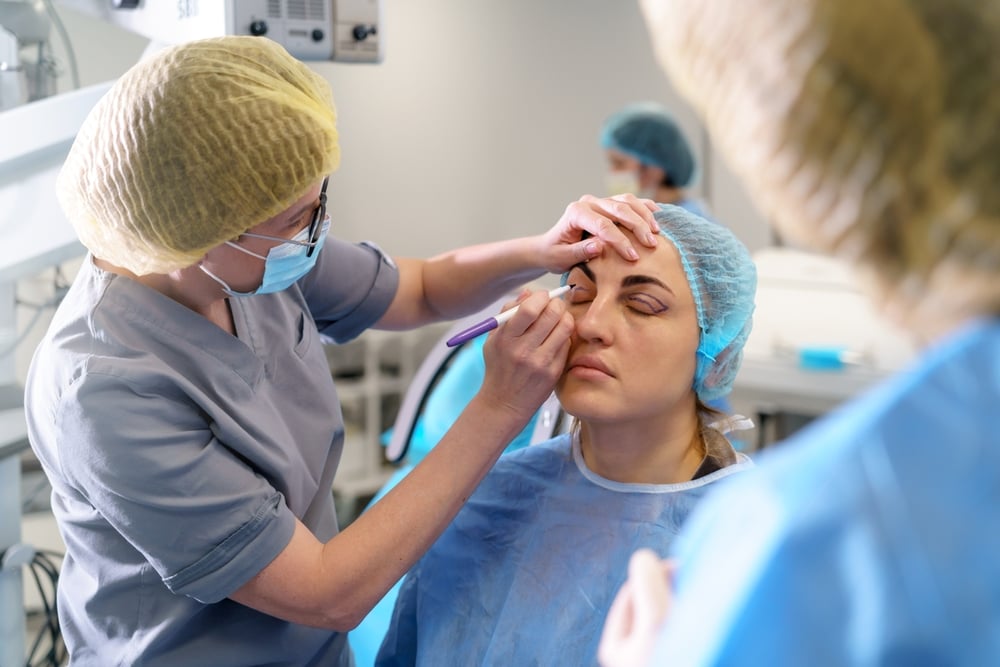
Patient receiving retinal disease evaluation from SouthEast Eye Specialists and VisionAmerica

Oculoplastics

Oculoplastic surgery includes specialized procedures designed to restore both the function and appearance of the eyelids and surrounding facial structures. These treatments address concerns involving the eyelids, tear ducts, orbit, and facial muscles to improve vision, comfort, and overall eye health.
Retina care for sudden vision changes, floaters, and distorted vision

Pediatrics

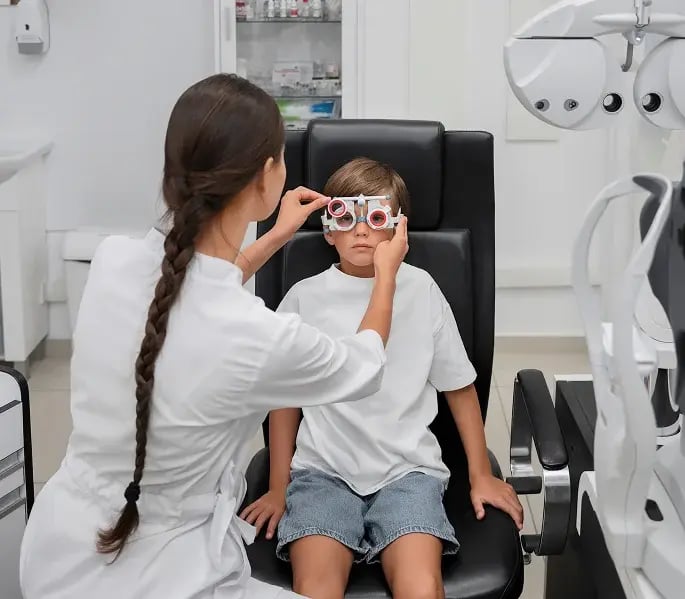
The first 10 years of life are critical for a child’s visual development. Early pediatric eye exams and timely treatment of childhood vision problems — such as lazy eye (amblyopia), crossed eyes (strabismus), and refractive errors — are essential to protect long-term eye health and support clear, healthy vision.
SouthEast Eye Specialists and VisionAmerica retina doctors treating macular edema and retinal vascular disease

Retina

Our retina specialists provide advanced diagnosis and treatment for a wide range of retinal diseases and conditions affecting the back of the eye. From macular degeneration and diabetic retinopathy to retinal tears and retinal detachment, we use state-of-the-art diagnostic imaging and innovative treatment options to protect, preserve, and restore your vision.

Get in Touch

We're here to answer your questions and support your referral needs.

Contact Information

tel-2
Phone

1-250-467-6304

Monday - Friday: 8:00 AM - 6:00 PM

Saturday: 9:00 AM - 2:00 PM

email-2
Email

info@seesgroup.com

We respond within 24 hours

pin-2
Locations

Multiple locations across the Southeast

Physician Liaison Team

Our dedicated liaison team is available to support your referrals and answer any questions.

Get in Touch

We're here to answer your questions and support your referral needs.

tel-2
Phone

1-250-467-6304

Monday - Friday: 8:00 AM - 6:00 PM

Saturday: 9:00 AM - 2:00 PM

email-2
Email

info@seesgroup.com

We respond within 24 hours

pin-2
Locations

Multiple locations across the Southeast